Table of Contents
- Introduction
- The Bioenergetics of Rest: Understanding Energy Systems
- How Much Time Should I Rest Between Sets?
- The 48-72 Hour Rule: Rest Between Workouts
- Identifying the Signs of Overtraining
- Passive Rest vs. Active Recovery
- The Role of Nutrition in the Recovery Window
- Sleep: The Ultimate Recovery Tool
- Practical Strategies for Planning Your Rest
- Rest and the BUBS Legacy
- Summary of Key Takeaways
- FAQ
Introduction
Did you know that your muscles don’t actually grow while you are lifting weights in the gym? It is a common misconception that the pump you feel mid-set is the moment of growth. In reality, that session is where you intentionally create microscopic tears in your muscle fibers. The actual growth—the thickening of those fibers and the strengthening of your connective tissues—happens during the hours and days when you are far away from the squat rack. Rest is not just a break from the action; it is a fundamental pillar of the physiological process that leads to a stronger, more resilient body. We often say at BUBS Naturals that "the magic happens in the recovery," and that philosophy is baked into everything we do, from our clean supplements to our commitment to a lifestyle of adventure and purpose.
The challenge many of us face is finding the "Goldilocks" zone of recovery. Rest too little, and you risk overtraining, injury, and a plateau in performance. Rest too long, and you might lose the momentum and neurological adaptations gained from your hard work. Understanding how much time you should rest between workouts requires a look at both the time between individual sets (inter-set recovery) and the time between full training sessions (inter-workout recovery). Whether you are an elite athlete or someone just beginning a wellness journey, the science of recovery is the key to unlocking sustainable progress.
In this guide, we are going to break down the nuances of rest based on your specific goals—whether that is building raw strength, maximizing muscle size, or increasing endurance. We will explore the bioenergetics of how your body replenishes energy stores, the importance of the central nervous system, and why nutrition is the "secret ingredient" that makes your rest days effective. By the end of this article, you will have a clear blueprint for timing your pauses and your days off to ensure you are always moving forward. We believe in pushing limits, but we also believe in being smart about how we rebuild. This is the BUBS way: simple, effective, and backed by science.
The Bioenergetics of Rest: Understanding Energy Systems
To truly grasp how much time you should rest between workouts and sets, we have to look at the fuel tanks inside your cells. Your body utilizes three primary energy systems to power movement, and each one has a very different "refill" rate. When we talk about rest, we are essentially talking about giving these systems time to replenish.
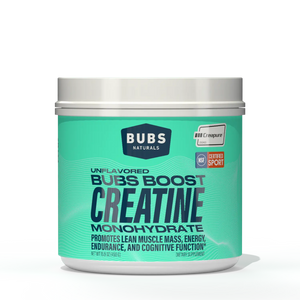
The first is the ATP-PC system (Adenosine Triphosphate-Phosphocreatine). This is your "turbo button." It provides immediate, explosive energy for efforts lasting about 10 to 15 seconds—think a heavy three-rep max or a short sprint. The catch is that this system depletes rapidly. It takes roughly three minutes of rest for your body to resynthesize about 95% of its ATP and nearly five minutes for a full 100% recovery. If you jump back into a heavy lift after only 60 seconds, your fuel tank is still half-empty, and your performance will drop. This is why our Creatine Monohydrate is such a popular choice for those looking to support their body's ability to maintain high-intensity output. It helps ensure those ATP stores are ready to go when you hit your next heavy set.
The second system is the Glycolytic system, which kicks in for moderate-intensity efforts lasting between 30 seconds and two minutes. This is where most hypertrophy (muscle building) training happens. This system produces lactic acid as a byproduct. Rest during this phase is about more than just refilling energy; it is about allowing your blood to clear out metabolic waste so you can perform again.
Finally, there is the Oxidative (Aerobic) system, which fuels long-term, low-intensity activity. This system recovers relatively quickly between bouts of effort because it uses oxygen to constantly produce energy. Understanding which system you are primarily taxing helps dictate exactly how long you need to sit on that bench before the next round.
How Much Time Should I Rest Between Sets?
While the main focus of this discussion is often the days between gym visits, the rest you take during the workout is the first step in managing your overall recovery load. We can categorize inter-set rest into three main training buckets.
Strength and Power Training
If your goal is to move the heaviest weight possible, you need to prioritize full recovery of the ATP-PC system. Research suggests that resting for 3 to 5 minutes between sets is the sweet spot for maximizing strength gains. When you are lifting near your maximal capacity, your Central Nervous System (CNS) takes a massive hit. Unlike your muscles, your CNS can take much longer to "reset" its electrical signaling. If you rush, your brain might not be able to recruit the necessary muscle fibers, even if the muscles themselves feel okay.
Hypertrophy (Muscle Growth)
For years, the standard advice for muscle growth was a strict 60 to 90 seconds of rest. The idea was to keep the muscle under metabolic stress. However, more recent studies, including those published in the Journal of Strength and Conditioning Research, have shown that resting for 2 to 3 minutes can actually lead to better growth. Why? Because the longer rest allows you to maintain a higher volume (weight times reps) across all your sets. At BUBS, we advocate for listening to your body; if 90 seconds leaves you feeling winded and weak, take the extra minute. To support the structural integrity of your muscles and joints during these high-volume phases, incorporating Collagen Peptides into your daily routine is a game-changer. Our collagen is grass-fed, pasture-raised, and NSF for Sport certified, providing the essential amino acids your body needs to rebuild after being pushed to the limit.
Muscular Endurance and Conditioning
If you are training for a Spartan Race or just general heart health, shorter rest periods of 30 seconds or less are often the goal. This forces your body to become efficient at clearing lactic acid and operating in a state of fatigue. Because these workouts involve heavy sweating and rapid metabolic turnover, staying on top of your electrolytes is non-negotiable. Our Hydrate or Die - Lemon is designed for these exact moments—high-performance hydration with no added sugar to keep your muscles firing even when the rest is short.
The 48-72 Hour Rule: Rest Between Workouts
Moving from the micro-rest of sets to the macro-rest of days, the most common question we hear is: "How many days should I take off?" For most people engaging in moderate to high-intensity resistance training, the general rule of thumb is 48 to 72 hours of rest before targeting the same muscle group again.
When you finish a grueling leg day, your body begins a process called Muscle Protein Synthesis (MPS). This process peaks around 24 hours post-workout and can remain elevated for up to 48 hours. If you train those same muscles again while MPS is still trying to repair the previous damage, you essentially interrupt the construction crew before they’ve finished the job. This is why "split routines" (e.g., Upper Body on Monday, Lower Body on Tuesday) are so effective; they allow one half of the body to rest while the other works.
If you are a beginner, your body may actually need closer to 72 hours of recovery. As you become more advanced, your body becomes more efficient at recovering, and you may find that 48 hours is plenty. However, intensity is the deciding factor. A world-record deadlift attempt will require significantly more recovery time than a session of bodyweight squats. We always suggest erring on the side of caution. As Glen "BUB" Doherty’s legacy reminds us, we are in this for the long haul—life is an adventure, and you want a body that can sustain that adventure for decades, not just weeks.
Identifying the Signs of Overtraining
Sometimes, despite our best intentions, we push too hard. Overtraining syndrome is a real physiological condition where the volume and intensity of an individual's exercise exceed their recovery capacity. It is not just about sore muscles; it is a systemic "brownout" of your body's functions.
One of the first signs of overtraining is a persistent feeling of fatigue or drowsiness throughout the day, even if you think you’re getting enough sleep. You might find that your motivation has vanished, or you’re becoming unusually irritable. This is often a sign that your nervous system and adrenal glands are overworked. If you find yourself hitting a "wall" mentally, a clean energy boost like our MCT Oil Creamer can help provide sustained mental clarity, but it shouldn't be used to mask the need for a true rest day.
Other red flags include:
-
Persistent Muscle Soreness: If you are still "limping" sore four days after a workout, your body is screaming for more recovery time and better nutrients.
-
Elevated Resting Heart Rate: If your heart rate is 10-15 beats higher than normal when you wake up, your body is still in a state of stress.
-
Frequent Illness: Overtraining suppresses the immune system. If you’re catching every cold that goes around, look at your training schedule.
-
Sleep Disturbances: Ironically, being overtrained can make it harder to fall and stay asleep.
If you notice these signs, the best thing you can do is take a "deload" week or a few days of total rest. Use that time to focus on your baseline wellness. Maybe swap the pre-workout for a daily habit of Apple Cider Vinegar Gummies to support your digestive health and general well-being while your body recalibrates.
Passive Rest vs. Active Recovery
Not all rest is created equal. There is a time for "passive rest"—literally sitting on the couch and doing nothing—and a time for "active recovery."
Passive rest is essential when you are sick, truly exhausted, or dealing with an acute injury. It allows the body to divert all its energy toward healing. However, for most of us on a standard rest day, active recovery is actually the superior choice. Active recovery involves very low-intensity movement that increases blood flow without adding stress. Think of a 20-minute walk, a light swim, or a restorative yoga session.
The logic is simple: blood is the delivery vehicle for the nutrients your muscles need to heal. By increasing circulation through light movement, you are essentially speeding up the delivery of the amino acids from your Collagen Peptides to the tissues that need them most. Active recovery also helps "flush" metabolic byproducts like lactic acid more effectively than sitting still. We often recommend an easy morning routine that includes some light stretching and a cup of coffee with MCT Oil Creamer to get the blood flowing and the mind sharp without taxing the muscular system.
The Role of Nutrition in the Recovery Window
You cannot out-train a bad diet, and you certainly cannot out-rest one. The time between your workouts is only as effective as the fuel you provide. If you are resting for 48 hours but only eating processed snacks and skipping water, your body won't have the materials to rebuild.
The Protein Requirement
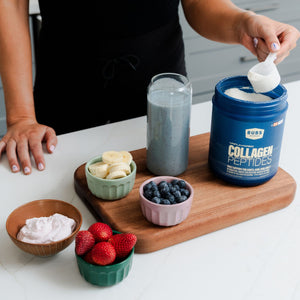
Muscle protein synthesis requires a steady supply of amino acids. For those of us who are active, the standard RDA often isn't enough. We generally recommend aiming for 1.2 to 1.5 grams of protein per kilogram of body weight. This provides the building blocks for those micro-tears we discussed earlier. While a solid steak or chicken breast is great, high-quality supplementation can fill the gaps. Adding a scoop of Collagen Peptides to your morning smoothie or post-workout drink ensures you are getting those specific peptides that support not just muscle, but also the tendons and ligaments that often take the longest to recover.
Hydration and Micronutrients
Water is the medium in which all cellular repair happens. Dehydration causes blood volume to drop, making it harder for your heart to pump nutrients to your muscles. Using an electrolyte supplement like our Hydrate or Die - Mixed Berry ensures that you are maintaining the proper balance of sodium, potassium, and magnesium, which are critical for muscle contractions and preventing cramps during your next session. Furthermore, ensuring you get enough Vitamin C is essential, as it plays a direct role in collagen formation and acts as a powerful antioxidant to combat the oxidative stress produced during exercise.
Sleep: The Ultimate Recovery Tool
If nutrition is the fuel, sleep is the workshop. During deep sleep, your body enters its most anabolic state. This is when the pituitary gland releases the highest concentrations of Growth Hormone (GH), which stimulates tissue growth and muscle repair. Sleep is also when your brain "cleans" itself of metabolic waste through the glymphatic system.
Research consistently shows that getting 7 to 9 hours of quality sleep is the single most effective thing you can do for your recovery. A lack of sleep spikes cortisol—the stress hormone—which is catabolic, meaning it breaks down muscle tissue. High cortisol also makes it harder for your body to utilize protein effectively. If you are choosing between an extra hour in the gym and an extra hour of sleep, and you’re already feeling a bit run down, the sleep will almost always yield better long-term results.
At BUBS, we advocate for a "wind-down" ritual. Turn off the screens, perhaps enjoy some light stretching, and focus on creating a cool, dark environment. When you wake up feeling refreshed, that is when you know your rest window has been successful.
Practical Strategies for Planning Your Rest
So, how do you put this all together into a schedule? Here are a few sample structures based on different lifestyles.
The Strength Enthusiast (4-Day Split)
-
Monday: Heavy Upper Body (3-5 min inter-set rest)
-
Tuesday: Heavy Lower Body (3-5 min inter-set rest)
-
Wednesday: Active Recovery (Walking, stretching, Collagen Peptides in coffee)
-
Thursday: Accessory Upper Body (2 min inter-set rest)
-
Friday: Accessory Lower Body (2 min inter-set rest)
-
Saturday: Outdoor Adventure (Hiking or Biking, fueled by MCT Oil Creamer)
-
Sunday: Total Rest
The Endurance Athlete (Marathon/Triathlon Prep)
-
Monday: Speed Work (Short rest intervals, Hydrate or Die)
-
Tuesday: Easy Recovery Run (Active Recovery)
-
Wednesday: Strength Training (Full body, 2 min inter-set rest)
-
Thursday: Tempo Run
-
Friday: Easy Recovery Ride or Swim
-
Saturday: Long Distance Day
-
Sunday: Active Recovery (Yoga and foam rolling)
The General Wellness Goal
-
Monday: Group Fitness Class (HIIT or Strength)
-
Tuesday: Active Recovery Walk
-
Wednesday: Group Fitness Class
-
Thursday: Active Recovery Walk or Yoga
-
Friday: Group Fitness Class
-
Saturday: Active Outdoor Time (Family hike or sports)
-
Sunday: Total Rest
The key in all these scenarios is flexibility. If you wake up on a Friday and your body feels like lead, it is okay to move your rest day. Your training plan should be a guide, not a prison. Listening to the internal signals of your body is a skill that takes time to develop, but it is the hallmark of a seasoned athlete.
Rest and the BUBS Legacy
Our commitment to recovery is deeply personal. BUBS Naturals was founded in honor of Glen "BUB" Doherty, a Navy SEAL who lived a life of constant movement, adventure, and service. Glen knew better than anyone that to perform at an elite level, you have to take care of the machine. He was the kind of person who would push himself to the absolute limit on a mission or a mountain, but he also understood the value of a good meal, a laugh with friends, and the time needed to recharge.
We carry that legacy forward by donating 10% of all our profits to veteran-focused charities. When you prioritize your rest and use BUBS products to support your recovery, you aren’t just helping yourself—you are contributing to a larger mission of giving back to those who have served. We believe that wellness is a collective effort. By taking the time to rest, you ensure that you have the energy and health to show up for your community, your family, and your own next great adventure.
Summary of Key Takeaways
Knowing how much time you should rest between workouts is a blend of science and self-awareness. To recap the most important points:
-
Inter-set Rest: Use 3-5 minutes for heavy strength, 1-3 minutes for hypertrophy, and under 60 seconds for endurance.
-
Inter-workout Rest: Aim for 48 to 72 hours of recovery for specific muscle groups to allow for proper protein synthesis.
-
Active Recovery: Choose light movement over total stillness to increase blood flow and speed up the healing process.
-
Nutrition is King: Support your rest with high-quality protein, Collagen Peptides, and proper hydration.
-
Listen to Your Body: Watch for signs of overtraining like irritability, persistent soreness, and fatigue.
The goal of any fitness program is sustainable progress. We don't want you to just hit a PR this week; we want you to be hitting PRs ten years from now. That requires a disciplined approach to rest. Treat your recovery days with the same respect and intensity that you treat your heavy lifting days. When you combine smart rest intervals with clean, effective supplements like our Collagen Peptides, you are setting yourself up for a lifetime of health and adventure.
Explore the full Collagen Peptides Collection today and see how our simple, science-backed ingredients can support your journey to a stronger, better-rested you.
FAQ
Is 24 hours enough time to rest between workouts?
For most people engaging in high-intensity training, 24 hours is usually not enough time for a single muscle group to fully recover. While your energy stores might feel replenished, the structural repair of the muscle fibers and connective tissues often takes 48 to 72 hours. However, you can work out 24 hours later if you switch to a different muscle group (for example, doing an upper-body workout on Monday and a lower-body workout on Tuesday). This "split" allows one area to rest while another works. To help your body make the most of those 24-hour windows, we recommend staying hydrated with Hydrate or Die and ensuring you're getting enough protein.
Can I do active recovery every day?
Yes, active recovery is generally safe to perform daily because it involves very low-intensity movement that does not place significant stress on your muscles or nervous system. Activities like a 20-minute walk, light stretching, or a leisurely bike ride actually help recovery by increasing blood circulation, which delivers vital nutrients like those found in our Collagen Peptides to your tired tissues. Just ensure the activity stays at a low intensity; if your heart rate climbs too high, it becomes another workout rather than a recovery session.
Should I eat the same amount of protein on my rest days?
Absolutely. Muscle protein synthesis—the process of repairing and building muscle—continues for up to 48 hours after your workout. Your body needs a consistent supply of amino acids even on days you aren't at the gym. Maintaining your protein intake on rest days ensures your "construction crew" has the materials they need to finish the job. We find that adding a scoop of Collagen Peptides to your morning coffee or smoothie is an easy way to keep those levels consistent without much effort.
How do I know if I’m resting too much between sets?
If you find that your muscles feel "cold," your heart rate has dropped back to its resting state, or you’ve lost your mental focus, you might be resting too long. While strength training requires longer pauses (3-5 minutes), waiting 10 minutes between sets can cause you to lose the neurological "groove" of the exercise. A good rule of thumb is to use a timer. If you’re using our Creatine Monohydrate to support your ATP levels, you should feel ready to go within that 3-to-5-minute window for heavy lifts. If you feel like you need more than 5 minutes for a moderate set, it might be a sign that you are pushing too heavy or are generally under-recovered.