Table of Contents
- Introduction
- The Biochemistry of Creatine Nitrate
- Enhancing Blood Flow and the "Pump"
- Absorption Rates and Digestive Comfort
- Performance Outcomes: What the Research Says
- Safety and Long-Term Use
- The BUBS Philosophy: Why Quality Matters
- Comparing the "Two Kings" of Creatine
- Daily Integration and Stacking Strategies
- The Role of Nitrates in Longevity and Brain Health
- Myths and Misconceptions
- Conclusion: Finding Your Best Fit
- FAQ
Introduction
If you have spent any time in a weight room or browsing the aisles of a supplement shop, you have likely heard that creatine is the "gold standard" for building strength. It is one of the most rigorously studied molecules in sports nutrition, with decades of data supporting its ability to help athletes push harder and recover faster. However, as science advances, so do the forms of this powerhouse supplement. You might be familiar with the classic monohydrate, but a newer, more "electric" version has been making waves: creatine nitrate. This isn’t just a fancy marketing term; it represents a chemical bond that changes how the supplement behaves once it enters your system.
The core question for many fitness enthusiasts is simple: What does creatine nitrate do to your body that a standard supplement doesn't? By bonding a creatine molecule to a nitrate group, scientists have created a compound that aims to solve two problems at once—improving the solubility of the powder and providing a "pump" through increased nitric oxide production. While the classic Creatine Monohydrate remains our foundational recommendation for pure, unadulterated strength, understanding these novel variations is key to optimizing your personal wellness stack.
In this deep dive, we are going to explore the intersection of chemistry and human performance. We will break down how creatine nitrate differs from its predecessors, the specific physiological effects it has on your muscles and blood flow, and what the current scientific literature says about its safety and efficacy. We will also look at how these types of supplements fit into a holistic lifestyle dedicated to adventure and recovery, much like the one lived by Glen “BUB” Doherty, the inspiration behind everything we do at BUBS Naturals.
By the end of this article, you will have a clear understanding of the "nitrate" advantage, the differences in absorption rates, and how to decide which form of creatine aligns with your goals. Whether you are a weekend warrior looking for an edge or a dedicated athlete focusing on peak power output, knowing exactly what you are putting into your body is the first step toward greatness.
The Biochemistry of Creatine Nitrate
To understand what creatine nitrate does to your body, we first have to look at its molecular structure. Standard creatine is usually found as a monohydrate, meaning a single creatine molecule is attached to a water molecule. In contrast, creatine nitrate is a synthetic compound where the creatine is chemically bonded to a nitrate group (NO3). This isn't just a physical mixture of two powders; it is a unique salt that changes the chemical properties of the supplement.
The most immediate change is solubility. If you have ever stirred a scoop of traditional creatine into a glass of water only to find a gritty pile of sand at the bottom, you have experienced the solubility limit of monohydrate. Creatine nitrate is reported to be up to ten times more soluble than its monohydrate counterpart. This is significant because a supplement can only be absorbed by the body if it can first be dissolved in the fluids of the digestive tract. Higher solubility often translates to better mixability and, potentially, a more pleasant experience for your stomach.
Once ingested, the body breaks this bond, releasing both the creatine and the nitrate into the system. The creatine follows the traditional path: it is transported into the muscle cells where it is converted into phosphocreatine. This molecule is the primary "recharger" for adenosine triphosphate (ATP). When you perform high-intensity movements—like a heavy set of squats or a 40-yard dash—your muscles burn through ATP for energy. Phosphocreatine steps in to donate a phosphate group, turning used-up ADP back into fresh ATP. This process is why we often say our Creatine Monohydrate helps you find that "extra gear" in your training.
The nitrate component, however, follows a different metabolic pathway. Nitrates are converted into nitrites and eventually into nitric oxide (NO) within the body. Nitric oxide is a potent vasodilator, meaning it signals the smooth muscles surrounding your blood vessels to relax. When these vessels relax, they widen, allowing for increased blood flow. This dual-action mechanism is the hallmark of creatine nitrate; it attempts to provide the raw energy of creatine while simultaneously enhancing the delivery system via the nitrate-nitric oxide pathway.
Enhancing Blood Flow and the "Pump"
One of the most noticeable effects of creatine nitrate is what athletes commonly call "the pump." This isn't just about looking bigger in the gym mirror; it’s about the physiological reality of vasodilation. When the nitrates in the supplement convert to nitric oxide, the resulting increase in blood flow serves several critical functions during a workout.
First, increased blood flow means more efficient delivery of oxygen and nutrients to the working muscle tissues. When you are pushing your limits, your muscles are screaming for resources to maintain their output. By widening the "pipes" (your blood vessels), creatine nitrate may help delay the onset of fatigue. This is similar to why many people choose to supplement with Hydrate or Die - Lemon during intense sessions; keeping the body’s internal environment optimized for performance is the key to longevity in any sport.
Second, better blood flow aids in the removal of metabolic byproducts like lactic acid and ammonia. As you train, these "waste" products build up, contributing to that burning sensation in the muscles and eventual failure. While creatine itself helps with ATP regeneration, the nitrate component assists by keeping the "trash collection" system running smoothly. This combination can lead to improved training volume, allowing you to perform more reps or sets before hitting a wall.
At BUBS Naturals, we believe that every ingredient should serve a purpose. While the nitrate-induced pump is a sought-after effect for many bodybuilders and powerlifters, it’s important to remember that the foundation of muscle growth is consistent, high-quality movement and recovery. That is why we focus on providing a pure, NSF for Sport certified Creatine Monohydrate. It ensures you get the strength benefits without any unnecessary fillers, allowing you to stack it with other functional foods like our Collagen Peptides to support your joints and connective tissues simultaneously.
Absorption Rates and Digestive Comfort
A common complaint with many supplements is the "bloat." In the world of creatine, this is often attributed to the water-pulling effect of the molecule. Because creatine is osmotically active, it draws water into the cells where it is stored. With traditional monohydrate, some users report gastrointestinal (GI) distress if they take too much at once or if the powder doesn't dissolve completely.
Creatine nitrate proponents argue that its superior solubility leads to a 100% absorption rate, compared to the approximately 98% absorption rate of high-quality monohydrate. While a 2% difference might seem negligible, the real benefit lies in the dosage. Because creatine nitrate is supposedly more efficient, many manufacturers suggest a lower dose—typically 1 to 2 grams—to achieve similar results to a 5-gram dose of monohydrate.
For those with sensitive stomachs, this lower volume can be a game-changer. Taking less powder means less work for the digestive system. However, it is worth noting that for most people, a high-quality, micronized Creatine Monohydrate mixes perfectly and causes zero issues. We always recommend starting with the basics and seeing how your body responds. If you find that you're consistently feeling heavy or bloated, focusing on your overall digestive health with Apple Cider Vinegar Gummies can also help support a healthy gut environment, making your entire supplement routine more effective.
The goal of any supplementation plan should be to support your lifestyle, not hinder it. Whether you are prepping for a Spartan race or just trying to stay active with your kids, you want a supplement that mixes easily into your morning routine. Many of our community members find that mixing their supplements into their morning coffee with a scoop of MCT Oil Creamer provides the perfect blend of mental clarity and physical readiness to start the day.
Performance Outcomes: What the Research Says
When we look at the clinical data regarding what creatine nitrate does to your body, the results are promising but still emerging. Several studies have compared creatine nitrate to both a placebo and traditional creatine monohydrate.
In a notable 28-day study published in the Journal of the International Society of Sports Nutrition, researchers found that subjects taking creatine nitrate saw significant improvements in their bench press power and lifting volume. Specifically, the nitrate group was able to lift more weight with greater velocity compared to those not supplementing. This suggests that the nitric oxide pathway truly does complement the ATP-regenerating power of the creatine molecule.
Another aspect of performance is endurance. While creatine is typically associated with short, explosive movements, the nitrate component has been shown in other studies (often using beet root juice as the source) to reduce the oxygen cost of exercise. This means that for a given intensity, your body doesn't have to work quite as hard to maintain the pace. By combining these two effects, creatine nitrate positions itself as a versatile tool for both the powerlifter and the endurance athlete.
However, it is vital to keep this in perspective. While these studies show benefits, they often use doses that are quite specific. The "gold standard" research still heavily favors monohydrate because we have decades of long-term safety and efficacy data. That is why our Creatine Monohydrate remains our primary recommendation for those looking for a tried-and-true performance booster. It provides the same fundamental benefits of ATP regeneration and muscle volume without the higher price tag often associated with the newer nitrate forms.
Safety and Long-Term Use
Whenever a "new and improved" version of a supplement hits the market, safety is the first thing we should investigate. Because creatine nitrate introduces a significant amount of dietary nitrate into the system, researchers have been keen to see if it negatively impacts blood markers or organ function.
Current research, including the 28-day study mentioned previously, indicates that creatine nitrate is generally safe for healthy individuals at doses up to 2 grams per day. The study monitored hematological safety markers—essentially checking the blood for signs of stress on the kidneys, liver, and immune system. While some participants with previously elevated levels of Blood Urea Nitrogen (BUN) saw a slight increase, the researchers concluded that these changes were clinically insignificant and within normal physiological ranges.
One side effect to be aware of with any nitrate-containing supplement is the potential for a drop in blood pressure. Because nitric oxide relaxes blood vessels, those who already have low blood pressure or who are taking blood pressure medication should consult with a healthcare professional before starting. It is also common for some users to experience mild headaches when they first introduce nitrates into their routine, as the body adjusts to the changes in vascular tone.
At BUBS Naturals, we take safety seriously. Every product in our Boosts Collection undergoes rigorous testing. Our commitment to being NSF for Sport certified means that athletes at the highest levels can trust that what is on the label is exactly what is in the tub. We believe in transparency and a "no-BS" approach to health. Whether it's our Vitamin C for immune support or our creatine for strength, our goal is to provide clean, effective tools for your wellness journey.
The BUBS Philosophy: Why Quality Matters
Our mission is rooted in the legacy of Glen “BUB” Doherty, a Navy SEAL, adventurer, and dedicated friend who believed in living life to the fullest. Part of that legacy is a commitment to excellence in everything we do. This extends to how we source and formulate our products. When we look at the world of supplements, we see a lot of "hype" surrounding new molecules like creatine nitrate. While we appreciate the science behind it, we also value the reliability of time-tested ingredients.
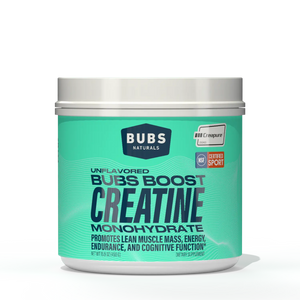
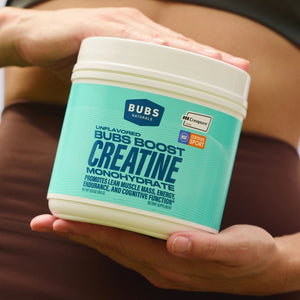
This is why we focus on Creatine Monohydrate. It is a single-ingredient, clean supplement that does exactly what it says it will do. No fillers, no mysterious proprietary blends—just 100% pure power. We believe that by providing the highest quality version of the world's most effective supplement, we are helping you build a stronger foundation for whatever adventure awaits.
Furthermore, our dedication goes beyond just the products. Through our 10% Rule, we donate 10% of all profits to veteran-focused charities. This means that every time you choose to support your own health with BUBS, you are also supporting the men and women who have served our country. It’s about wellness with a purpose. When you take your daily dose of creatine or stir our Collagen Peptides into your post-workout shake, you are part of a larger mission to give back.
Comparing the "Two Kings" of Creatine
If you are trying to decide between these two forms, it helps to look at them side-by-side. On one hand, you have creatine nitrate: higher solubility, lower required dose, and a significant "pump" effect from the nitrate bond. It is often found in pre-workout formulas because of its acute effects on blood flow and vascularity. If you are someone who struggles with the grittiness of standard powders or you specifically want that "swollen" feeling in the gym, it might be an interesting option for you.
On the other hand, you have Creatine Monohydrate. It is the most studied supplement in existence. It has been shown over and over again to be effective for building muscle, increasing strength, and even supporting cognitive function. It is generally much more affordable than the nitrate version, and when you choose a high-quality, micronized source, the solubility and bloating issues are virtually non-existent for the vast majority of people.
In terms of raw absorption, the 98% vs. 100% debate is mostly academic. Once that creatine hits your muscle cells, your body doesn't distinguish where it came from. The phosphocreatine system works the same way regardless of the bond. The real "edge" of the nitrate version is the extra nitric oxide, but many athletes find they can get that same effect by eating a diet rich in leafy greens and beets, or by using a targeted pre-workout alongside their daily Creatine Monohydrate.
Daily Integration and Stacking Strategies
Optimizing your performance isn't just about one single supplement; it's about how your entire stack works together. If you choose to use creatine—in any form—consistency is the most important factor. Creatine works by saturating your muscle stores over time, so missing doses will limit its effectiveness.
A typical high-performance morning might look like this: Start with a large glass of water to rehydrate from the night. Many of our team members like to add a scoop of Hydrate or Die - Mixed Berry to ensure their electrolyte balance is on point before the day gets hectic. Follow that with a cup of coffee blended with MCT Oil Creamer for sustained mental energy. This is a great time to take your daily Creatine Monohydrate, as it dissolves perfectly into warm liquids.
Post-workout is the ideal time for recovery. This is when your body is most primed to absorb nutrients. Stirring a scoop of Collagen Peptides into a smoothie or even just a glass of water helps provide the amino acids needed to repair the connective tissues that take a beating during heavy lifting or long runs. If you find your muscles are particularly sore, adding a second dose of electrolytes from the Hydration Collection can help prevent cramping and support recovery.
Don't forget the "little things" that support long-term health. Antioxidants like Vitamin C are essential for fighting the oxidative stress that comes with intense training. By looking at your body as a complete system, you can tailor your supplementation to your specific needs, whether you are focusing on raw power, endurance, or simply maintaining a high quality of life as you age.
The Role of Nitrates in Longevity and Brain Health
While most people focus on what creatine nitrate does to your body in the context of the gym, there is a growing body of research looking at the benefits of nitrates for the brain. Because nitric oxide improves blood flow, it also improves cerebral blood flow. This is the delivery of oxygen and glucose to the brain, which is essential for cognitive tasks, focus, and long-term neurological health.
Creatine itself has also shown significant promise in supporting brain function. Your brain is a highly metabolic organ, accounting for about 20% of your body’s total energy consumption. Just like your muscles, your brain uses ATP. Studies have suggested that creatine supplementation can help with short-term memory and reasoning, particularly in older adults or those who are sleep-deprived. By combining creatine with a nitrate, you are essentially attacking cognitive support from two angles: energy supply (creatine) and delivery (nitrate-driven blood flow).
While we are primarily a fitness and wellness brand, we recognize that the "adventure" of life requires a sharp mind as much as a strong body. This is why we are so passionate about the Boosts Collection. Whether it’s the physical strength provided by Creatine Monohydrate or the overall wellness support of our other products, we want to help you stay "in the game" for as long as possible.
Myths and Misconceptions
With any popular supplement, myths are bound to circulate. One common concern is that creatine—regardless of the form—causes hair loss. This stems from a single study on rugby players that showed an increase in DHT (a hormone linked to hair loss) but did not actually show any hair loss in the participants. Since then, numerous studies have failed to find a link between creatine and balding. You can rest easy knowing that your hair and your gains can coexist.
Another misconception is that you need to "load" creatine by taking massive doses for the first week. While this does saturate the muscles faster, it is also the most common cause of the bloating and GI distress we discussed earlier. A steady, daily dose of 3 to 5 grams of Creatine Monohydrate will reach full saturation within about three weeks without the side effects.
Finally, some people believe that if they stop taking creatine, their muscles will "shrink." While you might lose some of the intracellular water weight that gives muscles a fuller look, the actual muscle fiber you built while training is yours to keep. Creatine is a tool to help you work harder; the work you do is what builds the lasting muscle.
Conclusion: Finding Your Best Fit
Understanding what creatine nitrate does to your body allows you to make an informed choice about your supplementation. It offers a unique combination of ATP-regenerating power and nitric oxide-driven vasodilation. It mixes easily and might be easier on the stomach for a small percentage of users. However, it is a newer player on the scene with less long-term data and a higher price point than the industry standard.
For most of us, the path to better performance is paved with consistency and quality. Our Creatine Monohydrate provides everything you need to increase your strength, improve your recovery, and support your cognitive health. It is clean, pure, and backed by decades of science. When you pair it with other staples from our Collagen Peptides Collection and our Hydrate or Die - Bundle, you are creating a comprehensive system designed for an active, purposeful life.
At BUBS Naturals, we are here to support your journey, whatever it looks like. Whether you are scaling a mountain, hitting a new personal record in the gym, or simply striving to be the best version of yourself for your family, we provide the clean, functional fuel you need to get there. Remember, it’s not just about the supplements you take; it’s about the spirit in which you live. Choose quality, stay consistent, and always look for the next adventure.
Ready to take your performance to the next level? Shop our Creatine Monohydrate today and experience the BUBS difference—pure, effective, and always for a cause.
FAQ
Does creatine nitrate cause more water retention than monohydrate?
Actually, many users find that creatine nitrate causes less visible bloating and surface-level water retention. Because it is highly soluble and typically taken in lower doses (1-2 grams), it may be absorbed more efficiently into the muscle cells rather than sitting in the digestive tract and drawing water there. However, the internal muscle hydration—which is a positive effect for strength and performance—remains similar between both forms. If you are concerned about bloating, our micronized Creatine Monohydrate is also designed for maximum absorption and minimal discomfort.
Can I take creatine nitrate if I have high blood pressure?
Since creatine nitrate contains nitrates that convert to nitric oxide, it can cause vasodilation, which naturally tends to lower blood pressure. While this might sound beneficial, it can interact with blood pressure medications or cause dizziness in those whose levels are already low. We always recommend consulting with your healthcare provider before starting any new supplement, especially one that affects the vascular system. For a pure strength boost without the nitrate component, our Creatine Monohydrate is an excellent, straightforward alternative.
How does creatine nitrate affect my "pump" during a workout?
The nitrate portion of the molecule is a precursor to nitric oxide, which helps relax and widen your blood vessels. This allows for increased blood flow to the muscles you are training, resulting in a more pronounced "pump" or feeling of fullness. This increased blood flow also helps deliver oxygen and nutrients more effectively during high-intensity sets. To further support your performance and prevent fatigue, consider stacking your routine with electrolytes like Hydrate or Die - Lemon.
Is creatine nitrate better than monohydrate for muscle growth?
While creatine nitrate offers the added benefit of improved blood flow from nitrates, there is no definitive evidence that it builds more muscle than the classic monohydrate over the long term. Both forms provide the essential creatine molecule needed for ATP regeneration. Creatine monohydrate remains the most researched and cost-effective form for building lean muscle mass. Many athletes prefer our Creatine Monohydrate because of its proven track record and purity, often using a separate pre-workout if they desire the specific effects of nitrates.