Table of Contents
- Introduction
- The "Non-Dairy" Label Trap
- Hidden Animal Ingredients in Creamer
- Popular Vegan Creamer Bases
- Why Vegans Choose MCT Oil in Coffee
- How to Avoid Curdling in Plant-Based Creamers
- Homemade Vegan Coffee Creamer Ideas
- Reading the Nutrition Label Like a Pro
- The Role of Collagen in a Vegan Routine
- Environmental and Ethical Considerations
- Practical Tips for Ordering Vegan Coffee Out
- Conclusion
- FAQ
Introduction
Finding the right morning routine is a priority when you live an active lifestyle. If you have transitioned to a plant-based diet, you likely wondered if your favorite morning ritual needs a complete overhaul. The short answer is that vegans can absolutely enjoy coffee creamer, but the labels can be deceiving. Many products marketed as "non-dairy" actually contain hidden animal derivatives that make them unsuitable for a vegan lifestyle.
At BUBS Naturals, we believe in keeping things transparent and simple. Whether you are hitting the trail or heading to the gym, your fuel should align with your values without sacrificing quality or taste. If you want a clean, functional option for coffee, our MCT Oil Powder is a simple place to start. This guide will help you navigate the confusing world of grocery store aisles, hidden ingredients, and the best plant-based alternatives for your morning brew. We will cover what to look for on a label and how to choose a creamer that supports your health goals.
Quick Answer: Yes, vegans can drink coffee creamer, provided it is made entirely from plant-based sources like oats, almonds, or coconuts. However, many "non-dairy" creamers contain sodium caseinate, a milk-derived protein, making them non-vegan.
The "Non-Dairy" Label Trap
One of the most confusing aspects of shopping for vegan coffee creamer is the term "non-dairy." In the United States, the Food and Drug Administration (FDA) allows products to be labeled as non-dairy even if they contain certain milk derivatives. This labeling is primarily intended for people with lactose intolerance, not necessarily for those avoiding all animal products.
The most common culprit found in non-dairy creamers is sodium caseinate. This is a protein derived from cow's milk. While it does not contain lactose, it is still an animal product. For a strict vegan, this means many of the most popular grocery store creamers are off-limits. If you see "non-dairy" on the front of a bottle, you still need to flip it over and read the ingredient list carefully.
Understanding Casein and Whey
Casein and whey are the two primary proteins found in milk. Manufacturers often use these as emulsifiers or thickeners in creamers to mimic the mouthfeel of real cream. Even in small amounts, these ingredients disqualify a product from being vegan. Because these proteins are highly effective at preventing coffee from looking "thin" or "watery," they are staples in the conventional creamer industry.
Why Labels Can Be Misleading
The terminology used in food labeling often prioritizes allergen information over lifestyle choices. A product labeled "lactose-free" is designed for digestive comfort, while "non-dairy" is a specific regulatory category. Neither of these terms is synonymous with "vegan." To ensure a product is truly plant-based, look for a "Certified Vegan" logo or a clear "Dairy-Free" statement, which is a more stringent standard than "non-dairy."
Hidden Animal Ingredients in Creamer
Beyond the obvious milk proteins, several other ingredients can hide in your coffee creamer that might not fit a vegan diet. Understanding these allows you to make an informed choice that keeps your routine clean.
Natural Flavors and Colors
The term "natural flavors" is an umbrella term that can include both plant and animal sources. While most large brands now use plant-derived flavors for their vegan lines, it is not always a guarantee. Similarly, some coloring agents can be derived from animal sources. For example, carmine is a red pigment made from crushed insects, though it is less common in coffee creamers than in candies or juices.
Sugar Processing
While sugar itself comes from sugar beets or sugarcane, the refining process sometimes involves bone char. Bone char is made from the bones of cattle and is used to bleach sugar to a bright white color. Many strict vegans avoid sugar refined this way. If you want to be completely sure, look for creamers that use organic sugar, agave, or coconut sugar, as these are not processed with bone char.
Vitamin D3
Some fortified creamers include Vitamin D to boost their nutritional profile. However, Vitamin D3 (cholecalciferol) is often derived from lanolin, which is the grease found in sheep's wool. If a creamer is fortified, vegans generally look for Vitamin D2 (ergocalciferol), which is always plant-derived.
Key Takeaway: A "non-dairy" label is not a guarantee that a product is vegan. Always check for sodium caseinate, whey, and the type of Vitamin D used to ensure the product aligns with a plant-based diet.
Popular Vegan Creamer Bases
The market for plant-based creamers has grown significantly, offering a variety of textures and flavors. Each base has its own nutritional profile and performance characteristics when mixed into hot coffee.
Coconut and MCT Oil
Coconut-based creamers are a favorite for those looking for a rich, creamy texture. Coconut milk is naturally high in fats, which helps it stand up to the acidity of coffee without curdling. Many high-performance athletes prefer creamers that utilize MCT oil (Medium Chain Triglycerides) derived from coconuts.
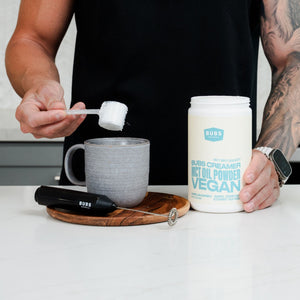
MCTs are fats that are processed differently by the body than long-chain fats. Instead of being stored, they are sent directly to the liver to be used for energy. Our MCT Oil Powder is a great example of a plant-based option that uses acacia fiber as a carrier instead of dairy-based proteins. This provides a clean energy source and a smooth texture for your morning cup.
Oat Milk
Oat milk has quickly become the gold standard for vegan lattes. It has a natural sweetness and a creamy consistency that is very close to dairy milk. It also contains beta-glucans, a type of soluble fiber that may support heart health. Oat-based creamers are less likely to "feather" or separate when hitting hot liquid, making them a reliable choice for drip coffee.
Almond and Nut Milks
Almond milk is one of the most widely available vegan options. It is lower in calories than oat or coconut milk but tends to be thinner. Some people find that almond milk creamers can curdle in very acidic or very hot coffee. To prevent this, some brands add stabilizers like dipotassium phosphate, which regulates acidity.
Soy Milk
Soy was the original plant-based alternative and remains a solid choice due to its high protein content. It provides a neutral flavor and a stable texture. However, some people avoid soy due to allergies or personal dietary preferences.
| Base Type |
Texture |
Flavor Profile |
Best For |
| Coconut/MCT |
Rich & Creamy |
Mildly Tropical |
Sustained energy & mental clarity |
| Oat |
Very Creamy |
Naturally Sweet |
Traditional latte feel |
| Almond |
Thin/Light |
Nutty |
Low-calorie options |
| Soy |
Moderate |
Neutral |
High protein needs |
Why Vegans Choose MCT Oil in Coffee
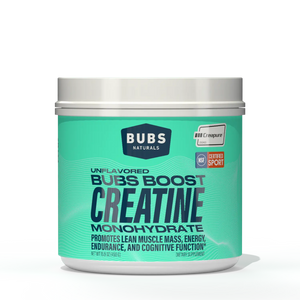
Many people following a vegan diet look for ways to increase their intake of healthy fats and support cognitive function. This is where MCT oil becomes a valuable addition to the morning routine. For readers who also care about training and recovery, Creatine Monohydrate is another clean, simple option.
Clean Energy Without the Crash
MCTs provide a quick source of fuel for the brain and body. Because they are absorbed rapidly, they can help provide a sense of alertness that complements the caffeine in coffee. For vegans who may be active in endurance sports or high-intensity training, having a reliable source of clean fats can help maintain energy levels throughout the day.
Supporting Satiety
Adding healthy fats to your coffee can help you feel full for longer. This is particularly helpful for those who practice intermittent fasting or who have a long gap between breakfast and lunch. A plant-based creamer rich in MCTs can help bridge that gap without the need for heavy, processed snacks.
Gut Health Benefits
Some vegan creamers go beyond just flavor. For instance, we use acacia fiber in our MCT powder. Acacia fiber is a prebiotic, meaning it feeds the beneficial bacteria in your gut. This adds a layer of wellness support to your coffee that you won't find in standard dairy-based creamers.
Bottom line: MCT-based vegan creamers offer more than just a flavor change; they provide functional benefits like sustained energy and gut health support by utilizing plant-derived fats and fibers.
How to Avoid Curdling in Plant-Based Creamers
One of the most common complaints about vegan coffee creamers is that they sometimes separate or curdle when added to hot coffee. This happens because of the temperature difference and the acidity of the coffee beans.
The Temperature Trick
If you find your creamer is curdling, try warming it up slightly before adding it to your coffee. Alternatively, pour the creamer into the mug first, then slowly pour the coffee over it. This allows the creamer to temper, or gradually rise in temperature, which prevents the proteins from clumping together.
Choose Low-Acid Coffee
Different coffee roasts have different acidity levels. Light roasts are typically more acidic than dark roasts. If you are having trouble with a specific plant-based creamer, switching to a darker roast or a cold brew concentrate (which is naturally lower in acid) can often solve the problem.
Check the Stabilizers
If you prefer a perfectly smooth cup every time, look for vegan creamers that contain small amounts of acidity regulators. These are often listed as phosphates. While some purists prefer a shorter ingredient list, these additives serve a functional purpose in preventing the "feathering" effect that occurs in hot beverages.
Homemade Vegan Coffee Creamer Ideas
If you want complete control over your ingredients, making your own vegan creamer at home is simpler than you might think. This allows you to avoid preservatives and adjust the sweetness to your liking.
Cashew Creamer
Cashews are unique because they blend into a completely smooth liquid without the need for straining. Simply soak a cup of raw cashews in water for a few hours, drain them, and blend them with two cups of fresh water, a pinch of salt, and a date for sweetness. The result is an incredibly thick and rich creamer.
Coconut and Vanilla Blend
For a simple, tropical creamer, mix a can of full-fat coconut milk with a teaspoon of vanilla extract and a bit of maple syrup. Shake it well before each use. This provides a high-fat, satisfying addition to your coffee that stores well in the fridge for up to a week.
The MCT Boost
You can also enhance any store-bought or homemade vegan milk by adding a scoop of a clean MCT powder. This allows you to turn a simple almond milk into a functional, energy-boosting creamer. Our MCT Oil Powder is designed to mix effortlessly, making it a convenient way to upgrade your coffee without needing a blender every morning.
Myth: Plant-based creamers aren't as creamy as dairy.
Fact: With the right base, like cashew or coconut-derived MCTs, vegan creamers can be just as rich and satisfying as traditional half-and-half.
Reading the Nutrition Label Like a Pro
When you are at the store, the nutrition label is your best tool for finding a high-quality vegan creamer. Beyond checking for animal products, you should look at the quality of the fats and the sugar content.
Watch the Added Sugars
Many vegan creamers use large amounts of sugar to compensate for a lack of fat. Some "vanilla" or "caramel" flavored plant-based creamers can contain as much sugar as a candy bar per serving. Look for "unsweetened" versions or those that use natural sweeteners like stevia or monk fruit if you are watching your sugar intake.
Avoid Hydrogenated Oils
Some lower-quality creamers use hydrogenated vegetable oils to create a creamy texture. These are often high in trans fats, which can be detrimental to heart health. Stick to creamers that use whole food fats from coconuts, nuts, or seeds.
Check the Protein Content
While most creamers are used in small amounts, if you are relying on your coffee to contribute to your daily protein intake, soy or pea-protein-based creamers are your best bet. Most other plant-based creamers are very low in protein.
The Role of Collagen in a Vegan Routine
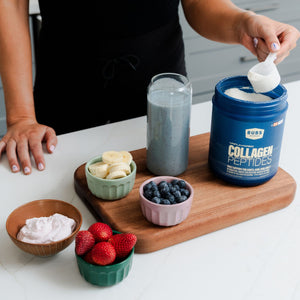
While we are talking about coffee additions, it is important to address collagen. Many people like to add collagen to their coffee for joint and skin support. However, it is vital to remember that true collagen is always animal-derived (usually from bovine or marine sources). There is no such thing as "vegan collagen."
If you are a vegan looking to support your body’s natural collagen production, you can look for "collagen builders." These are supplements containing Vitamin C, biotin, and amino acids that help your body create its own collagen. We offer a high-quality Vitamin C supplement that can support this process. While our Collagen Peptides are sourced from grass-fed, pasture-raised bovine—making them non-vegan—we believe in providing the best options for everyone, regardless of their dietary path.
Environmental and Ethical Considerations
For many, the choice to go vegan is driven by environmental and ethical concerns. Plant-based creamers generally have a much lower environmental footprint than dairy.
Water Usage and Land Impact
Producing dairy requires significant amounts of water and land for cattle. In contrast, oats and peas are relatively low-impact crops. Almonds do require a fair amount of water, which is why some environmentally conscious consumers prefer oat or coconut-based options.
Animal Welfare
Choosing a vegan creamer ensures that no animals were involved in the production of your morning cup. This aligns with a philosophy of compassion and reduces the demand for industrial dairy farming. By choosing clean, plant-based products, you are making a vote with your wallet for a more sustainable food system.
Practical Tips for Ordering Vegan Coffee Out
When you are at a coffee shop, it can be a bit more challenging to ensure your drink is 100% vegan. Most shops offer oat, almond, or soy milk, but the "creamers" they keep on the condiment stand are often dairy-based. If you want a practical refresher on mixing coffee add-ins at home, see our How to Use Coffee Creamer in Coffee guide.
Ask About Syrups
Many coffee syrups are vegan, but some contain honey or dairy. For example, "pumpkin spice" or "white chocolate" sauces often contain condensed milk. Stick to basic syrups like vanilla, hazelnut, or mocha (which is usually just cocoa and sugar) to be safe.
The "Barista Edition"
If a shop uses a "Barista Edition" plant milk, it usually means it has added fats and stabilizers to make it foam better for lattes. These are almost always vegan and provide a much better texture than the standard cartons you find in the grocery store.
Carry Your Own
For those who are very particular about their ingredients, carrying a travel-friendly creamer is a great option. A powdered MCT creamer is perfect for this because it doesn't require refrigeration and won't leak in your bag. This ensures you always have a clean, plant-based option no matter where your adventures take you.
Conclusion
Navigating the world of coffee creamers as a vegan doesn't have to be a headache. Once you learn to look past the "non-dairy" label and identify hidden ingredients like sodium caseinate, a world of delicious, plant-based options opens up. Whether you prefer the natural sweetness of oat milk or the functional energy of a coconut-based MCT oil, there is a vegan creamer that fits your lifestyle.
At BUBS Naturals, we are committed to providing clean, effective supplements that help you live your best life. Our products are third-party tested and designed for those who refuse to settle for "good enough." We are also proud to donate 10% of all our profits to veteran-focused charities in honor of Glen "BUB" Doherty. Learn more about our mission on the About BUBS Naturals page. It is our way of ensuring that every scoop of our Hydrate or Die® Electrolytes not only helps you perform better but also does some good in the world.
-
Check the ingredients: Avoid anything with casein or whey.
-
Prioritize quality fats: Look for MCTs or whole nut bases.
-
Watch the sugar: Choose unsweetened or naturally sweetened options.
-
Stay consistent: Find a routine that makes you feel energized and ready for the day.
FAQ
Is "non-dairy" creamer always vegan?
No, "non-dairy" is a legal term that allows for the inclusion of milk derivatives like sodium caseinate. To ensure a creamer is vegan, you must check the ingredient list for animal-derived proteins or look for a "Certified Vegan" label.
Does vegan coffee creamer taste different?
Vegan creamers come in a wide variety of flavors and textures. Oat and coconut-based creamers are known for being the closest in creaminess to dairy, while almond milk is lighter and nuttier. Many people find they prefer the cleaner taste of plant-based options once they make the switch.
Can vegans use MCT oil powder as a creamer?
Yes, and it is a popular choice for those seeking mental clarity and sustained energy. When choosing an MCT powder, ensure it uses a plant-based carrier like acacia fiber rather than a dairy-based one like sodium caseinate. Our MCT Oil Powder is a vegan-friendly option that mixes easily into hot coffee.
Why does my vegan creamer separate in my coffee?
Separation usually happens because of the high acidity or temperature of the coffee. You can prevent this by warming the creamer before adding it, using a lower-acid dark roast, or choosing a creamer with natural stabilizers designed for hot beverages. If you want a deeper look at hydration and balance, our Does Electrolyte Water Work? guide covers how the right minerals help support performance.