Table of Contents
- Introduction
- The Nutritional Reality of Fresh Lemons
- How Vitamin C Degrades in Lemonade
- Homemade vs. Store-Bought: A Major Gap
- The Sugar Trade-Off: Is It Worth It?
- The Role of Citric Acid and Flavonoids
- Better Ways to Support Your Vitamin C Intake
- Maximizing the Benefits of Lemonade at Home
- The Science of Vitamin C and Recovery
- Is Lemonade Good for Hydration?
- Conclusion
- FAQ
Introduction
There is nothing quite like a cold glass of lemonade on a hot afternoon. It is the quintessential American refresher, often associated with childhood stands and summer recovery. Because it is made from lemons, many of us grew up believing that it serves as a powerful health tonic, specifically a major source of Vitamin C. We often group it in the same category as orange juice—a natural way to bolster our immune systems.
At BUBS Naturals, we believe in keeping things simple and transparent. When you are pushing your limits in training or life, you need to know exactly what is going into your body. While lemons themselves are nutritional powerhouses, the lemonade you find in a grocery store or a powdered mix is a different story entirely.
In this guide, we will break down the actual nutrient density of lemonade, how processing impacts Vitamin C levels, and whether this classic drink deserves a spot in your wellness routine. We will also explore better ways to hit your daily requirements without the massive hit of refined sugar. The truth about lemonade is more complex than just "fruit in a glass."
The Nutritional Reality of Fresh Lemons
To understand if lemonade is a good source of Vitamin C, we first have to look at the raw material. A single medium-sized lemon typically contains between 30 and 40 milligrams of Vitamin C. For context, the recommended daily allowance (RDA) in the United States is roughly 90 milligrams for men and 75 milligrams for women. In its raw form, a lemon is indeed a great source of this essential nutrient.
Vitamin C, or ascorbic acid, is a water-soluble vitamin that plays a vital role in several bodily functions. It is a powerful antioxidant that helps protect cells from oxidative stress. It is also required for the body to produce collagen, which is the structural protein that supports your joints, skin, and connective tissues. Furthermore, Vitamin C helps you absorb non-heme iron—the type of iron found in plant-based foods like spinach and lentils.
However, most people do not eat lemons whole. We squeeze them, dilute them with water, and add sweeteners. This transition from "fruit" to "lemonade" is where the nutritional profile begins to shift.
How Vitamin C Degrades in Lemonade
Vitamin C is one of the most fragile vitamins. It is highly sensitive to heat, light, and air exposure. This sensitivity is the primary reason why processed lemonade rarely lives up to the nutritional reputation of the fresh fruit.
When a lemon is squeezed, the Vitamin C is immediately exposed to oxygen. This begins a process called oxidation, which slowly breaks down the nutrient. If that juice sits on a shelf or in a refrigerator for days, the Vitamin C content continues to drop.
Commercial lemonade undergoes even more rigorous processing. Most store-bought options are pasteurized. Pasteurization is a heat-treatment process designed to kill bacteria and extend shelf life. Because Vitamin C is heat-sensitive, this process can significantly reduce the amount of natural Vitamin C present in the final product. Many manufacturers end up with a drink that has almost no natural vitamins left, leading them to "fortify" the drink with synthetic ascorbic acid just to put a claim on the label.
Key Takeaway: Freshness is the most important factor for Vitamin C. The further a drink gets from the original fruit—through heat, storage, or processing—the less nutritional value it retains.
Homemade vs. Store-Bought: A Major Gap
If you are looking for Vitamin C in lemonade, the source matters. Not all lemonades are created equal, and the differences in preparation can change the nutrient count from "decent" to "nearly zero."
Homemade Lemonade
When you make lemonade at home using freshly squeezed lemons and drink it immediately, you are getting the most Vitamin C possible. If you use the juice of two lemons in a large pitcher, you are starting with roughly 60 to 80 milligrams of Vitamin C. Once diluted with water and ice, a single glass might provide 15 to 20 milligrams. While this is a helpful contribution to your daily total, it is still only a fraction of what you need.
Store-Bought and Powdered Mixes
Many commercial lemonades contain as little as 5% to 15% real fruit juice. The rest is water and sugar. If the label does not explicitly state that it is fortified, you might be getting less than 2% of your daily Vitamin C requirement per serving. Powdered mixes are often even further removed from the source, relying on artificial flavors and colors to mimic the experience of citrus without providing the actual nutrients.
Myth: All lemonade is basically "lemon water" and provides the same health benefits.
Fact: Most commercial lemonades are classified by nutritionists as "lemon-flavored soft drinks" due to their low juice content and high sugar levels.
The Sugar Trade-Off: Is It Worth It?
This is where the argument for lemonade as a "health drink" usually falls apart. To make the tart, acidic juice of a lemon palatable, most recipes require a significant amount of sugar.
A standard 8-ounce glass of many commercial lemonades contains about 25 to 30 grams of sugar. To put that in perspective, a standard 8-ounce serving of a leading cola contains about 27 grams of sugar. When you drink store-bought lemonade, you are essentially consuming the metabolic equivalent of a soda.
High sugar intake can lead to energy crashes, systemic inflammation, and a suppressed immune system—the very things Vitamin C is supposed to help prevent. If you are drinking lemonade to "get your vitamins" but consuming 30 grams of refined sugar in the process, the net benefit to your wellness is likely negative.
Note: For those who prioritize performance and recovery, excessive sugar can hinder your goals by causing insulin spikes and promoting fat storage rather than providing sustained energy.
The Role of Citric Acid and Flavonoids
While Vitamin C gets all the attention, lemons also provide other compounds that may support your health. These are often still present in lemonade, even if the Vitamin C has degraded.
-
Citric Acid: This is what gives lemons their tartness. Citric acid may help prevent the formation of certain types of kidney stones by increasing the citrate levels and pH of your urine. This makes the environment in the kidneys less favorable for stone formation.
-
Flavonoids: Lemons contain citrus flavonoids like hesperidin and diosmin. These plant compounds act as antioxidants and may support circulatory health and reduce inflammation.
-
Iron Absorption: Even a small amount of Vitamin C in a glass of homemade lemonade can help your body absorb iron from your meal. If you are eating a plant-heavy diet, a splash of lemon juice or a low-sugar lemonade can be a strategic way to improve nutrient uptake.
Better Ways to Support Your Vitamin C Intake
If your goal is to support your immune system or aid collagen production, lemonade is likely not your best tool. You would have to drink a massive amount of it—and consume a dangerous amount of sugar—to reach optimal levels.
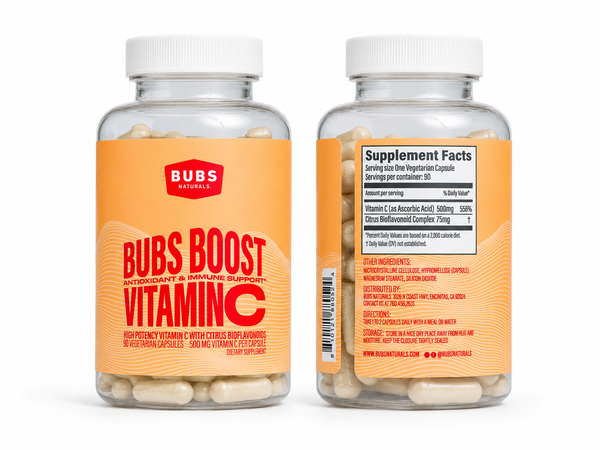
For a more concentrated approach, we recommend BUBS BOOST Vitamin C. We designed this to provide 500 mg of Vitamin C per serving, along with citrus bioflavonoids to mimic the way the nutrient is found in nature. This provides over 500% of your daily value in one simple dose, without any of the sugar or processing found in lemonade.
If you enjoy the refreshing taste of citrus while training, there are better ways to hydrate. Our Hydrate or Die electrolyte drink provides the salty, tart kick you want but focuses on functional hydration. Instead of sugar-heavy lemonade, you get the essential minerals your muscles need to perform and recover.
Maximizing the Benefits of Lemonade at Home
If you love lemonade and want to keep it in your routine, you can make it "no BS" by following a few simple rules:
-
Squeeze it fresh: Never use the plastic squeeze bottles shaped like lemons. Those are often filled with preservatives and have very little active Vitamin C.
-
Control the sweetener: Use a natural, zero-calorie sweetener like stevia or monk fruit. If you use sugar, keep it to a minimum—less than a teaspoon per glass.
-
Include the pulp: Many of the beneficial flavonoids and fibers are found in the pulp of the lemon. Don't strain it all out.
-
Drink it cold and fast: Don't let your lemonade sit in a clear pitcher in the sun. Keep it cold and consume it shortly after making it to prevent Vitamin C oxidation.
The Science of Vitamin C and Recovery
For the active individual, Vitamin C is about more than just avoiding a cold. It is a critical component of the recovery process. When you train hard, you create oxidative stress in your body. Antioxidants like Vitamin C help neutralize the free radicals produced during intense exercise.
Furthermore, Vitamin C is a co-factor in the synthesis of collagen. If you are taking a collagen supplement to support your joints or recover from an injury, having adequate Vitamin C levels is non-negotiable. Your body cannot effectively turn those amino acids into new connective tissue without it. This is why many athletes choose to supplement with a clean, concentrated source of Vitamin C rather than relying on inconsistent dietary sources like lemonade.
| Feature |
Fresh Lemon Juice |
Commercial Lemonade |
BUBS Vitamin C |
| Vitamin C Content |
High (per serving) |
Low to Medium |
Very High (500mg) |
| Sugar Content |
Very Low |
Very High |
Zero |
| Bioavailability |
High |
Low |
High (with bioflavonoids) |
| Convenience |
Low (requires prep) |
High |
High |
Is Lemonade Good for Hydration?
Hydration is more than just drinking water. It requires a balance of water and electrolytes like sodium, potassium, and magnesium. Lemonade does provide water, and the potassium from the lemons is helpful. However, the high sugar content in most lemonades can actually slow down the rate at which your body absorbs water.
Sugar requires water to be processed by your gut. If a drink is too sugary, it can pull water out of your bloodstream and into your digestive tract, which is the opposite of what you want when you are dehydrated. This is why performance-focused athletes stay away from sugary sodas and fruit drinks during their workouts.
If you want a deeper look at how minerals support performance, this guide on electrolytes is a helpful next step. For a "lemonade-style" experience that actually aids performance, stick to water with a heavy squeeze of fresh lemon and a pinch of sea salt. This gives you the Vitamin C, the citric acid, and the electrolytes without the sugar-induced "gut rot."
Conclusion
Lemonade is a classic, refreshing beverage, but it is not a reliable or efficient source of Vitamin C. While homemade versions using fresh lemons provide a modest boost of nutrients, the high sugar content and the degradation of vitamins during processing make most lemonade closer to a dessert than a health supplement. If you are serious about your wellness and recovery, you should view lemonade as an occasional treat rather than a foundational part of your nutrition.
At BUBS Naturals, we are committed to providing you with the tools you need to live a life of adventure and purpose. Whether it’s through our clean supplements or our high-performance electrolytes, we believe in ingredients that work as hard as you do. We also believe in giving back; that’s why we donate 10% of all our profits to veteran-focused charities in honor of Glen "BUB" Doherty.
When you choose to fuel your body with intent, you see the difference in your performance and your longevity. Skip the sugary "fruit" drinks and reach for something that actually moves the needle.
FAQ
How much Vitamin C is in a typical glass of lemonade?
A glass of homemade lemonade made with the juice of one fresh lemon contains about 30 to 40 mg of Vitamin C before dilution. However, most store-bought lemonades contain far less, often providing only 2% to 10% of your daily requirement per serving unless they have been artificially fortified.
Does heat destroy the Vitamin C in lemonade?
Yes, Vitamin C is highly sensitive to heat. The pasteurization process used for most bottled lemonades significantly reduces the natural Vitamin C content. To get the most nutrients, it is best to use raw, freshly squeezed lemon juice and avoid heating it.
Is lemonade as healthy as eating a whole lemon?
No, because lemonade is typically filtered and sweetened. By drinking only the juice, you miss out on the fiber (pectin) found in the pulp and the concentrated flavonoids found in the peel and pith. Additionally, the added sugar in lemonade can negate many of the health benefits of the lemon juice itself.
Can I get enough Vitamin C from lemonade alone?
It is very difficult to meet your daily Vitamin C requirements through lemonade without consuming excessive amounts of sugar. You would need to drink several large glasses of fresh lemonade daily. It is much more efficient to get Vitamin C from whole fruits like bell peppers, kiwis, and oranges, or through a high-quality supplement.