Table of Contents
- Introduction
- The Science of the "Morning After"
- Vitamin C: Your Body's Cleanup Crew
- Can You Take Vitamin C After Drinking Alcohol?
- How Vitamin C Supports the Liver
- The Importance of Hydration and Electrolytes
- The Connection Between Vitamin C and Collagen
- Choosing the Right Form of Vitamin C
- A Practical Recovery Protocol
- Realistic Expectations for Recovery
- Why Quality Matters in Supplements
- Conclusion
Introduction
You wake up, and the room feels a little too bright. Your head has a dull throb, your mouth is dry, and you feel like you’re moving through waist-deep water. We’ve all been there. After a night of celebration or a few too many drinks with friends, the "morning after" can feel like a steep uphill climb. In the search for relief, many people reach for a bottle of orange juice or a Vitamin C tablet, wondering if it will help clear the fog.
At BUBS Naturals, we believe in supporting your body with clean, effective tools that actually work for your lifestyle. This guide explores whether taking Vitamin C after drinking is safe, how it interacts with alcohol metabolism, and what you can do to get back on your feet faster. We will dive into the science of oxidative stress, liver support, and the best ways to rebuild your resilience after a long night.
The short answer is yes—you can take Vitamin C after drinking, and it may provide the support your system needs to process metabolic waste and fight inflammation.
The Science of the "Morning After"
To understand why Vitamin C might help, we first have to look at what happens when you drink. Alcohol is a toxin that your body prioritizes clearing out. When you consume it, your liver goes into overdrive. It uses enzymes to break down ethanol into something called acetaldehyde. This compound is highly reactive and more toxic than the alcohol itself.
Acetaldehyde is a major contributor to that miserable hangover feeling. It causes oxidative stress, which is a state where your body has too many free radicals—unstable molecules that damage your cells—and not enough antioxidants to neutralize them. This process leads to widespread inflammation, which shows up as headaches, muscle aches, and general fatigue.
Beyond the chemical byproduct, alcohol is a diuretic. This means it signals your kidneys to flush out more water than you are taking in. As you lose fluid, you also lose vital minerals and vitamins. This combination of dehydration, toxin buildup, and nutrient depletion is why you feel like a shell of yourself the next day.
Key Takeaway: Hangovers are primarily caused by a toxic byproduct called acetaldehyde, which triggers oxidative stress and inflammation throughout the body.
Vitamin C: Your Body's Cleanup Crew
Vitamin C, also known as ascorbic acid, is a powerful water-soluble antioxidant. Because your body cannot produce it on its own, you have to get it from food or supplements. Under normal circumstances, it supports your immune system and helps your body build collagen. When you introduce alcohol into the mix, Vitamin C takes on the role of a cleanup crew.
Antioxidants like Vitamin C work by donating an electron to free radicals. This "disarms" the volatile molecules so they can no longer damage your cells. When your liver is processing alcohol, it generates a massive amount of these free radicals. By taking Vitamin C, you are essentially providing your body with the ammunition it needs to stop the internal damage and reduce the inflammatory response.
Furthermore, Vitamin C is a co-factor in several enzymatic reactions. It helps maintain the levels of other antioxidants in the body, such as glutathione. Often called the "master antioxidant," glutathione is the liver’s primary weapon for clearing out acetaldehyde. By supporting your natural glutathione levels, Vitamin C can help your liver do its job more efficiently.
Can You Take Vitamin C After Drinking Alcohol?
Yes, you can safely take Vitamin C after drinking alcohol. In fact, many people find that it is an essential part of their recovery routine. There are no known negative interactions between Vitamin C and alcohol that would cause harm. Because Vitamin C is water-soluble, your body will use what it needs and flush out the rest through your urine.
Taking it after drinking may help mitigate some of the lingering oxidative stress. However, some evidence suggests that timing matters. If you take it shortly after your last drink or the next morning, it can help jumpstart the recovery process. It won't "sober you up" instantly—alcohol metabolism takes time—but it can help manage the physical toll that alcohol takes on your tissues.
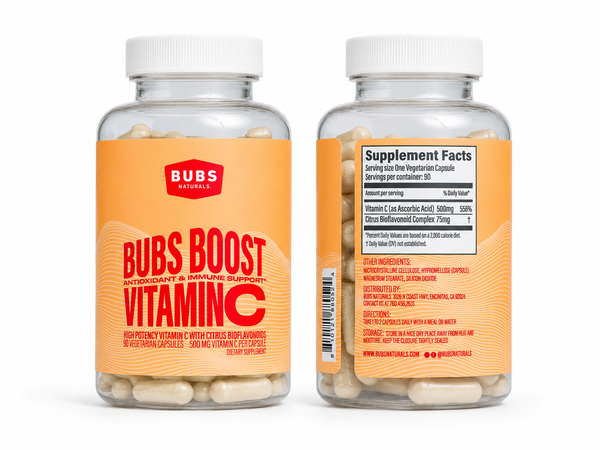
We recommend taking it with a large glass of water. Since alcohol causes dehydration, flooding your system with a high-quality supplement and plenty of fluids is the most effective way to help your body bounce back. Our Vitamin C is designed for this kind of support, providing 500 mg of Vitamin C alongside citrus bioflavonoids to help with absorption.
How Vitamin C Supports the Liver
The liver is the workhorse of your metabolic system. It filters everything you eat and drink. When you consume alcohol, the liver must break it down using two main steps. First, it turns alcohol into acetaldehyde. Second, it turns acetaldehyde into acetate, which is harmless and eventually leaves the body as carbon dioxide and water.
The bottleneck usually happens at the second step. If you drink faster than your liver can convert acetaldehyde into acetate, the toxin builds up in your bloodstream. This is where the damage happens. Research suggests that Vitamin C can help protect liver cells from the acute stress of this process. It acts as a shield, preventing the toxic byproducts from causing long-term cellular issues.
Some studies have even suggested that having adequate Vitamin C levels can speed up the rate at which alcohol is cleared from the blood. While it isn't a "get out of jail free" card for heavy drinking, it does provide a layer of nutritional defense that your liver can use during the filtration process.
Myth: Vitamin C will instantly cure a hangover and make you sober.
Fact: While Vitamin C supports the liver and reduces oxidative stress, it does not stop the intoxication process or provide an immediate cure. Recovery still requires time and hydration.
The Importance of Hydration and Electrolytes
While Vitamin C is a great tool, it cannot work in a vacuum. You cannot talk about alcohol recovery without talking about hydration. Because alcohol blocks the hormone that helps your kidneys reabsorb water, you lose electrolytes like sodium, potassium, and magnesium at an accelerated rate.
This is why a "Vitamin C only" approach often falls short. You need to restore the electrical balance in your cells to stop the headaches and muscle cramps. This is where a dedicated hydration formula becomes necessary. When you combine a high-quality Vitamin C supplement with an electrolyte drink, you are attacking the problem from two sides: neutralizing toxins and restoring fluid balance.
We created Hydrate or Die specifically for these high-demand moments. It provides a precise balance of electrolytes without the added sugars found in typical sports drinks. Adding sugar to an already inflamed system after drinking can lead to insulin spikes and more fatigue. Keeping it clean with minerals and Vitamin C is a much more effective way to reclaim your day.
The Connection Between Vitamin C and Collagen
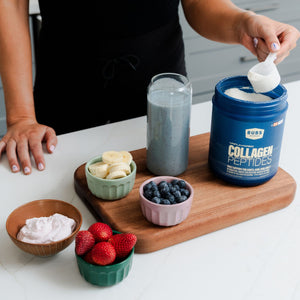
Many of our community members use Collagen Peptides for joint health and skin elasticity. It is worth noting that Vitamin C is a non-negotiable requirement for collagen synthesis. Your body cannot knit protein fibers together to repair skin, tendons, or gut lining without Vitamin C.
Alcohol consumption is notoriously hard on your skin and your digestive tract. It can lead to "leaky gut" or increased intestinal permeability, which allows toxins to enter the bloodstream. By taking Vitamin C after drinking, you aren't just helping your liver; you are also supporting the underlying "scaffolding" of your body. It helps ensure that your body can continue the repair work necessary to keep your gut lining and skin healthy after the stress of alcohol.
Choosing the Right Form of Vitamin C
Not all supplements are created equal. When your system is already stressed from alcohol, the last thing you want to do is swallow a pill full of synthetic fillers, artificial dyes, or heavy binders. These extra ingredients just give your liver more work to do at a time when it's already struggling.
Look for a Vitamin C supplement that is "clean." This means it should be free of unnecessary additives. Furthermore, Vitamin C is often better absorbed when it is paired with bioflavonoids. These are compounds found in the pith and skin of citrus fruits that help the body recognize and use the vitamin more effectively.
Bioavailability—which is just a fancy word for how much of the vitamin actually makes it into your bloodstream—is key. If you take a low-quality supplement, most of it will end up in the toilet. We focus on high-quality, third-party tested formulas so you know exactly what you’re putting into your body.
A Practical Recovery Protocol
If you’ve had a night of drinking and want to minimize the fallout, a structured approach works better than random remedies. Here is a simple protocol to support your recovery:
-
Hydrate immediately: Before you go to sleep, drink at least 16 ounces of water mixed with electrolytes. This helps get ahead of the dehydration that happens overnight.
-
Take your Vitamin C: Take 500 mg to 1,000 mg of Vitamin C. This provides the antioxidant support your liver needs while you sleep.
-
Prioritize sleep: Alcohol disrupts REM sleep, which is the restorative stage of your sleep cycle. Even if you can't get "good" sleep, getting "more" sleep can help the body's repair processes.
-
Morning movement: Once you wake up, get some light movement. A walk in the fresh air can help stimulate circulation and help your body process metabolic waste.
-
Replenish again: Have another round of electrolytes and Vitamin C in the morning. Avoid greasy, heavy foods that put further strain on your digestion. Instead, opt for easy-to-digest proteins and complex carbohydrates.
Bottom line: Taking Vitamin C after drinking is a safe and effective way to support your liver's natural filtration process and reduce the oxidative stress caused by alcohol byproducts.
Realistic Expectations for Recovery
It is important to be honest about what supplements can and cannot do. Taking Vitamin C after drinking will not make it safe to drive, and it won't make a massive amount of alcohol "disappear" from your system. The best way to avoid a hangover is always moderation and hydration during the night.
However, for those times when you do overindulge, Vitamin C is a valuable ally. It shifts the environment in your body from one of total depletion and stress to one of support and recovery. Think of it as a tool in your kit—just like your training shoes or your morning coffee. It helps you stay in the game and reduces the time you spend feeling sidelined.
Listen to your body. If you find that even with Vitamin C and hydration, you are feeling consistently poorly after even one or two drinks, it may be a sign of a sensitivity or an overworked liver. Always consult with a healthcare professional if you have concerns about your alcohol intake or how it interacts with your specific health needs.
Why Quality Matters in Supplements
When we started BUBS Naturals, we did it to honor a legacy of excellence. That means we don't cut corners. Whether you are taking our collagen, our MCT oil, or our Vitamin C, you are getting a product that is designed for people who push their limits.
In the world of recovery, purity is everything. We use third-party testing to ensure that what is on the label is exactly what is in the bottle. For an athlete or a veteran, knowing that a supplement is clean and "NSF for Sport" certified is about more than just health—it's about trust. When your body is recovering from the stress of a long night or a hard workout, you deserve ingredients that support your mission, not hinder it.
Conclusion
Can you take Vitamin C after drinking alcohol? Absolutely. It is a safe, science-backed way to support your liver and reduce the inflammatory damage that alcohol causes. By neutralizing free radicals and supporting the production of glutathione, Vitamin C helps your body's natural cleanup crew work more effectively. When paired with proper hydration and clean electrolytes, it forms a powerful recovery strategy that helps you get back to your active lifestyle.
At BUBS Naturals, we are driven by the idea that small, intentional choices lead to a better life. We are also driven by a higher purpose. We donate 10% of all our profits to veteran-focused charities in honor of Glen "BUB" Doherty. Every scoop and every capsule you take helps support the men and women who have served our country.
Recovery is a part of the adventure. Take care of your body, stay hydrated, and use the right tools to keep moving forward.
FAQ
Is it better to take Vitamin C before or after drinking?
Taking Vitamin C both before and after drinking can be beneficial. Taking it before provides your liver with a "pre-load" of antioxidants to handle the incoming toxins, while taking it after helps manage the oxidative stress and inflammation that occur as the alcohol is metabolized.
Can Vitamin C cause a stomach ache if I take it after drinking?
For most people, Vitamin C is well-tolerated. However, alcohol can irritate the stomach lining, and high doses of Vitamin C (usually over 2,000 mg) can sometimes cause digestive upset. Stick to a moderate dose of 500 mg to 1,000 mg and take it with plenty of water to minimize any potential discomfort.
Does Vitamin C help you sober up faster?
While some animal studies suggest Vitamin C might slightly increase the rate of alcohol clearance, it will not make you sober instantly. Sobriety is a function of time as your liver processes the ethanol. Vitamin C is more about reducing the "damage" and physical symptoms of the hangover than reducing intoxication levels.
What other vitamins are good to take after drinking?
In addition to Vitamin C, B-vitamins (especially B1, B6, and B12) are often depleted by alcohol and are crucial for energy and brain function. Magnesium and zinc are also important minerals that help with muscle relaxation and enzyme function during the recovery process.