Table of Contents
- Introduction
- What is Collagen and Why Does it Matter for Joints?
- Determining the Right Dosage for Joint Support
- The Role of Consistency in Collagen Results
- Hydrolyzed vs. Undenatured: Which Should You Choose?
- Maximizing Collagen Synthesis with Vitamin C and Diet
- The Importance of Quality and Testing
- Supporting Your Joints Beyond Collagen
- Lifestyle Factors That Impact Collagen Levels
- A Day in the Life: Integrating BUBS for Joint Support
- The Long-Term Perspective on Joint Wellness
- Why BUBS Collagen Peptides Stand Out
- Moving Toward a Pain-Free Adventure
- Conclusion
- FAQ
Introduction
By the time you finish reading this sentence, your body has already shifted its internal chemistry in a way that most of us never notice until it starts to creak. Every year after the age of 25, our natural collagen production drops by about one percent. While that might sound like a small number, by the time you reach 50, you are essentially operating with a significant deficit of the "glue" that keeps your body together. This decline is not just a matter of skin elasticity or the appearance of fine lines; it is a fundamental shift in the structural integrity of your joints, tendons, and cartilage. If you have been searching for how much collagen to take for arthritis, you are likely looking for a way to support your body’s natural resilience and maintain an active, adventurous lifestyle.
At BUBS Naturals, we believe that wellness is the foundation for every great adventure. Our story is rooted in the legacy of Glen “BUB” Doherty—a Navy SEAL, an adventurer, and a man who lived life to the fullest. We carry his spirit forward by providing clean, science-backed supplements that help you stay in the game, whether that means hitting a new personal record in the gym or simply enjoying a pain-free morning walk. Understanding the nuances of collagen dosage is critical because not all collagen is created equal, and the amount you need depends heavily on your specific wellness goals.
In this article, we will explore the different types of collagen, the science behind how they support joint health, and the specific dosage ranges supported by current research. We’ll also discuss how lifestyle factors—from your morning coffee ritual with our MCT Oil Creamer to your post-workout hydration—impact your body's ability to utilize this vital protein. By the end of this guide, you will have a clear understanding of how to integrate collagen into your routine to support your joints and keep your body moving forward.
What is Collagen and Why Does it Matter for Joints?
To understand how much collagen to take, we first have to understand what it actually is. Collagen is the most abundant protein in the human body, making up about one-third of our total protein composition. It is the primary structural component of connective tissues, acting as a scaffold for our skin, bones, ligaments, and most importantly for those concerned with joint health, our cartilage.
There are at least 28 different types of collagen identified by science, but the vast majority of our body is composed of Types I, II, and III. Type I is incredibly strong and is found in skin, tendons, and bone. Type III is often found alongside Type I and supports the structure of muscles and blood vessels. However, for joint health and addressing the discomfort associated with conditions like osteoarthritis, Type II collagen is the star of the show. It makes up about 90% of the collagen in our joint cartilage, providing the cushion and lubrication necessary for smooth, pain-free movement.
As we age, or as we put our bodies through the rigors of high-impact sports and daily stressors, this cartilage begins to wear down. When the body cannot produce enough collagen to keep up with the rate of breakdown, the joints lose their cushioning. This is why we focus so heavily on providing high-quality, grass-fed Collagen Peptides. Our hydrolyzed collagen is broken down into smaller, bioavailable peptides that are easier for your body to absorb and direct toward the tissues that need it most.
Determining the Right Dosage for Joint Support
When it comes to how much collagen to take for arthritis or general joint support, the scientific community has converged on several key ranges. Unlike some vitamins where a tiny microgram is sufficient, collagen is a structural protein that requires a more substantial dose to be effective.
Research suggests that for significant support of joint function and comfort, a daily intake of 2.5 to 15 grams of hydrolyzed collagen peptides is safe and effective. Most clinical trials that show positive results for knee joint comfort and mobility utilize a dosage of around 10 grams per day. This is why our Collagen Peptides Collection is designed with serving sizes that make hitting these targets effortless. One scoop of BUBS Collagen Peptides typically provides around 10 to 20 grams of protein, ensuring you are well within the therapeutic range for supporting your connective tissues.
It is also important to distinguish between hydrolyzed collagen and undenatured collagen. Undenatured Type II collagen (often labeled as UC-II) is typically taken in much smaller doses—around 40 milligrams—because it works through a process called "oral tolerance" to support the immune system's interaction with joint tissue. However, for providing the actual building blocks (amino acids like glycine and proline) that your body needs to repair and maintain cartilage, hydrolyzed peptides at the higher 10-20 gram range are often preferred by those leading active lifestyles.
The Role of Consistency in Collagen Results
One of the most common mistakes people make when starting a collagen regimen is expecting overnight results. Collagen is not a quick-fix analgesic; it is a nutritional intervention that supports the body's natural maintenance processes. Think of it like training for a marathon or building a business—the magic happens in the consistency.
Most studies indicating improved joint mobility and reduced discomfort show that benefits typically begin to manifest after 90 to 180 days of daily use. This is because your body needs time to transport those amino acids to the cartilage and incorporate them into the tissue matrix. To make this easier, we recommend turning your collagen intake into an unbreakable daily ritual.
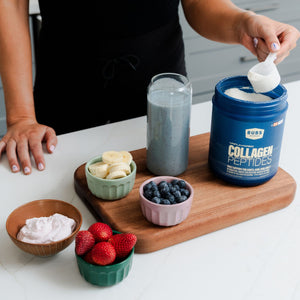
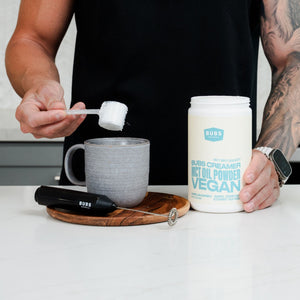
Many members of the BUBS community find that mixing a scoop of Collagen Peptides into their morning coffee is the most effective way to stay consistent. Because our peptides are unflavored and dissolve instantly, they pair perfectly with our MCT Oil Creamer, giving you a morning boost of healthy fats for mental clarity along with the structural support of collagen. Whether you are prepping for a day at the office or a day on the trail, this combination sets a foundation for wellness that carries through your entire day.
Hydrolyzed vs. Undenatured: Which Should You Choose?
If you are navigating the supplement aisle, the terminology can get confusing. You will see "collagen peptides," "hydrolyzed collagen," and "undenatured Type II collagen." Let's break down why we chose to focus on hydrolyzed peptides for our community.
Hydrolysis is a process that uses water to break down the long chains of collagen protein into shorter chains called peptides. These peptides are much smaller and significantly more bioavailable, meaning your body can absorb them through the gut lining and get them into the bloodstream more efficiently. When you are looking specifically at how much collagen to take for arthritis, the high-dose availability of hydrolyzed peptides ensures your body has an abundance of the specific amino acids—glycine, proline, and hydroxyproline—that are unique to collagen and essential for cartilage health.
Undenatured collagen, on the other hand, is kept in its large, triple-helix structure. While it can be helpful for certain immune-mediated joint issues, it doesn't provide the same "building block" volume that hydrolyzed collagen does. By using our Collagen Peptides, you are giving your body a robust supply of the raw materials it needs to support all its connective tissues—not just the joints, but also your skin, hair, and nails. It’s a comprehensive approach to wellness that fits the "No BS" philosophy we live by.
Maximizing Collagen Synthesis with Vitamin C and Diet
Taking collagen is half the battle; the other half is ensuring your body has the "tools" required to actually build the new collagen fibers. Collagen synthesis is a complex biological process that requires several co-factors, the most important of which is Vitamin C.
Vitamin C acts as a mandatory co-enzyme for the two enzymes required to stabilize the collagen molecule: prolyl hydroxylase and lysyl hydroxylase. Without sufficient Vitamin C, your body simply cannot cross-link those amino acids into the strong, resilient fibers that make up your cartilage and tendons. This is why we recommend pairing your collagen routine with our Vitamin C supplement. Providing 500 mg of Vitamin C with citrus bioflavonoids, it ensures your body's "collagen factory" has everything it needs to function at peak capacity.
In addition to supplementation, your overall diet plays a massive role. A diet high in refined sugars and processed oils can lead to the formation of advanced glycation end-products (AGEs), which can actually damage existing collagen fibers and make them brittle. To combat this, we focus on a holistic approach to wellness. We advocate for a diet rich in whole foods, alongside our Apple Cider Vinegar Gummies which can support digestive wellness and help you maintain a balanced internal environment where your body can thrive.
The Importance of Quality and Testing
When you are taking a supplement daily to support a condition as impactful as joint discomfort, you cannot afford to consume fillers, heavy metals, or low-quality ingredients. The collagen market is unfortunately flooded with products derived from questionable sources that lack rigorous testing.
At BUBS Naturals, we do things differently. Our Collagen Peptides are sourced from grass-fed, pasture-raised bovine hides. We are committed to a "clean" label, which means our products are gluten-free, soy-free, and non-GMO. But we don't just ask you to take our word for it. We go the extra mile with third-party certifications.
Our collagen is NSF for Sport certified. This is the gold standard in the supplement industry, ensuring that what is on the label is actually in the tub and, more importantly, that it is free from over 280 substances banned by major athletic organizations. Whether you are a professional athlete or a weekend warrior, this certification gives you the peace of mind that you are putting only the highest quality ingredients into your body. This dedication to quality is part of our legacy and our commitment to giving back—donating 10% of all profits to veteran-focused charities in honor of Glen “BUB” Doherty.
Supporting Your Joints Beyond Collagen
While figuring out how much collagen to take for arthritis is a great first step, joint health is a multi-faceted equation. Collagen provides the structure, but your joints also need hydration and strength from the surrounding muscles to function optimally.
Hydration is often overlooked in the conversation about joint pain. Your joints are lubricated by synovial fluid, which is primarily composed of water. If you are chronically dehydrated, that fluid can thin, leading to increased friction and discomfort. To support this, we developed our Hydration Collection. Using Hydrate or Die – Lemon provides the essential electrolytes your body needs to maintain fluid balance, ensuring that your joints stay well-lubricated while you work out or go about your day.
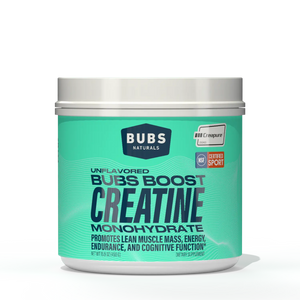
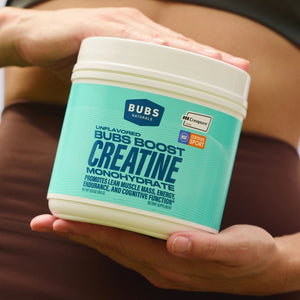
Furthermore, supporting the muscles around your joints can take the load off the cartilage itself. This is where supplements like Creatine Monohydrate come into play. By supporting muscle strength and power, you can ensure your musculoskeletal system is robust enough to protect your joints during high-impact activities. A well-rounded supplement stack doesn't just address one symptom; it supports the entire body's ability to move and perform.
Lifestyle Factors That Impact Collagen Levels
Even if you find the perfect dosage of Collagen Peptides, certain lifestyle habits can act like a "leak" in your collagen bucket. If you are trying to manage joint health, it is essential to be aware of the factors that accelerate collagen breakdown.
-
UV Exposure: Excessive sun exposure generates free radicals that break down collagen fibers in the skin and, over time, can impact systemic wellness. Always protect your skin when heading out on your adventures.
-
Smoking: Smoking is one of the fastest ways to deplete your body's collagen. The toxins in cigarette smoke damage both Type I and Type II collagen, leading to premature aging and weakened connective tissues.
-
High Sugar Intake: As mentioned earlier, sugar leads to glycation, which cross-links collagen fibers and makes them less flexible. This "stiffness" can contribute to the feeling of achy joints.
-
Lack of Sleep: Sleep is when your body undergoes the majority of its repair work. During deep sleep, growth hormone is released, which stimulates collagen synthesis and tissue repair.
By combining a smart supplementation strategy with positive lifestyle choices, you create a synergistic effect. Taking Apple Cider Vinegar Gummies to support digestion and ensuring you are using Hydrate or Die – Lemon for proper fluid balance are simple, "No-BS" ways to round out your wellness routine.
A Day in the Life: Integrating BUBS for Joint Support
Let's look at how a typical day of joint-focused wellness might look for someone using the BUBS Naturals lineup. It’s not about complexity; it’s about making high-quality nutrition a seamless part of your life.
Your morning starts with a hot cup of coffee. Instead of standard creamer, you add a scoop of MCT Oil Creamer for sustained energy and a serving of Collagen Peptides. This provides your first 10-20 grams of collagen for the day, mixed effortlessly into a drink you already enjoy.
Mid-morning, you take your Vitamin C and two Apple Cider Vinegar Gummies. These support the synthesis of the collagen you just ingested and help keep your digestion on track.
Before your afternoon workout, you mix a serving of Hydrate or Die – Lemon and a scoop of Creatine Monohydrate into your water bottle. This ensures your joints are hydrated and your muscles are primed for performance. By the time you head to bed, you have provided your body with all the tools it needs to repair, rebuild, and prepare for the next day's challenges.
The Long-Term Perspective on Joint Wellness
Living a life of adventure means thinking about the long game. We don't just want to feel good today; we want to be moving well twenty, thirty, and forty years from now. Collagen supplementation is a "lifetime commitment" because your body's need for these structural building blocks never goes away—it actually increases as you age.
By incorporating a consistent dose of Collagen Peptides into your daily routine, you are making a proactive investment in your future self. You are supporting the cartilage that protects your bones, the tendons that power your movements, and the skin that protects your body.
At BUBS Naturals, we are more than just a supplement company. We are a community of people who value quality, transparency, and purpose. When you choose our products, you aren't just supporting your own health; you are supporting a mission to do good in the world through our 10% Rule. Every scoop of collagen contributes to the legacy of a hero and helps other veterans find their next mission. It’s wellness with a purpose, and it’s the BUBS way.
Why BUBS Collagen Peptides Stand Out
In a world full of flashy marketing and complicated ingredient lists, we believe in the power of simplicity. Our Collagen Peptides contain one ingredient: bovine hide collagen peptides. No sweeteners, no flavorings, and no "mystery" additives.
The high bioavailability of our powder means that it doesn't just sit in your stomach; it gets to work. The amino acid profile is specifically designed to mirror the collagen found in your own body, with high concentrations of glycine, which has been studied for its anti-inflammatory properties and its role in supporting metabolic health.
When people ask how much collagen to take for arthritis, they are often looking for a specific number that will "fix" the problem. While we cannot claim to cure or treat any condition, the research is clear that 10 to 20 grams of high-quality collagen daily can play a significant role in a comprehensive joint-support strategy. By choosing BUBS, you are ensuring that those 20 grams are as clean and effective as possible.
Moving Toward a Pain-Free Adventure
Wellness is not a destination; it’s the vehicle that takes you where you want to go. Whether your "adventure" is hiking the Pacific Crest Trail, playing with your grandkids, or simply navigating a busy workday without joint stiffness, your body requires the right fuel to perform.
By understanding that the effective dosage for joint support falls in the 10-15 gram range of hydrolyzed peptides, you can stop guessing and start supporting your body with confidence. Pair that collagen with Vitamin C for synthesis, Hydrate or Die – Lemon for lubrication, and MCT Oil Creamer for energy, and you have a powerhouse routine that is simple, effective, and backed by science.
Don't wait until the creaks become groans. Start supporting your joints today and feel the BUBS difference. Our commitment to your wellness is as strong as our commitment to the legacy of Glen “BUB” Doherty. Together, we can push the boundaries of what’s possible and live a life full of purpose and adventure.
Conclusion
Determining how much collagen to take for arthritis is about more than just reading a label; it’s about understanding the biological needs of your connective tissues. Science suggests a daily target of 10 to 15 grams of hydrolyzed collagen peptides to support joint comfort and function, a goal that is easily met with a single scoop of BUBS Collagen Peptides. By choosing a high-quality, NSF for Sport certified product, you ensure that your body is receiving the cleanest building blocks available, free from the "BS" fillers found in many other brands.
Remember that joint health is a holistic pursuit. Supporting your collagen intake with Vitamin C for synthesis and staying hydrated with our Hydrate or Die – Lemon creates an environment where your joints can remain resilient and flexible. This isn't just about supplementation; it's about a lifestyle of adventure, movement, and giving back.
As you move forward on your wellness journey, we invite you to explore our full Collagen Peptides Collection. Whether you prefer the large tub for your morning ritual or the travel packs for your next trip, BUBS is here to support you every step of the way. One scoop. Feel the difference. Let’s get back to the adventure.
FAQ
What is the best time of day to take collagen for joint health?
While there is no "perfect" time that changes the chemical effectiveness of the collagen, many people find that taking it in the morning is the easiest way to ensure consistency. Mixing BUBS Collagen Peptides into your morning coffee or smoothie sets a foundation for the day. Some research suggests taking collagen on an empty stomach might slightly improve absorption, but the most important factor is making sure you take it every single day.
Can I get enough collagen from food alone to help my joints?
You can certainly get collagen from foods like bone broth, slow-cooked meats, and fish skin. However, the modern diet is often quite low in these specific tissues. Furthermore, the collagen in food is not always hydrolyzed, meaning the particles are larger and harder for your body to break down. Using a supplement like our Collagen Peptides provides a concentrated, highly bioavailable dose that is difficult to replicate through food alone on a consistent daily basis.
How long does it take to feel a difference in joint comfort?
Joint tissue is relatively slow to repair because it has less blood flow than muscles. Most clinical studies show that people begin to report improvements in joint mobility and comfort after 3 to 6 months of daily use. It is essential to stay consistent and not get discouraged if you don't see changes in the first few weeks. Pairing your collagen with our Vitamin C can help support your body’s natural production processes during this time.
Are there any side effects to taking 20 grams of collagen a day?
Collagen is a natural protein derived from food sources and is generally considered extremely safe and non-toxic. Some individuals who are new to collagen may experience mild digestive symptoms like a feeling of fullness or slight stomach upset. If this happens, you can start with a half scoop and gradually work your way up to a full serving of BUBS Collagen Peptides. Always consult with a healthcare professional before starting a new supplement regimen, especially if you have pre-existing conditions.