Table of Contents
- Introduction
- Understanding Collagen Peptides
- The Typical Shelf Life of Collagen
- Why Collagen Degrades Over Time
- Signs Your Collagen Has Gone Bad
- Can You Use Expired Collagen?
- How to Store Collagen for Maximum Freshness
- The Importance of Ingredient Purity
- Why Quality Sourcing Matters for Shelf Life
- Practical Tips for Your Daily Routine
- Living the BUBS Way: Purpose and Quality
- Summary: Keeping Your Collagen at Its Peak
- FAQ
Introduction
You are cleaning out your pantry or looking through your gym bag. You find a tub of collagen you forgot about. Maybe you bought it during a fitness kick six months ago. Now you are wondering if it is still worth using. At BUBS Naturals, we believe in using the best tools for your wellness journey. That means knowing when your supplements are at their peak and when it is time to toss them.
This guide covers the shelf life of collagen, how to spot spoilage, and the best ways to keep your powder fresh. While most supplements are designed to last, they are not immortal. Understanding the science of how these proteins break down helps you get the results you want. Collagen peptides do expire, but proper storage can maximize their effectiveness and safety for your daily routine.
Quick Answer: Yes, collagen peptides go bad. Most powders have a shelf life of 18 to 24 months. While they may not become toxic immediately after the expiration date, they lose potency and can grow mold if exposed to moisture.
Understanding Collagen Peptides
To understand why collagen goes bad, you first need to know what it is. Collagen is the most abundant protein in your body. It acts as the "glue" that holds your skin, joints, and connective tissues together. Supplement companies create collagen peptides through a process called hydrolysis.
Hydrolysis involves breaking down large collagen fibers into smaller chains of amino acids. These smaller chains are called peptides. This process makes the powder easier to dissolve in your morning coffee or post-workout shake. It also increases bioavailability. Bioavailability is a term that describes how easily your body can absorb and use a nutrient.
Because collagen peptides are a processed, dried animal product, they are naturally stable. However, "stable" does not mean "permanent." Like any food product, the chemical bonds in the protein can change over time. When these bonds break down, the supplement loses the qualities that made you buy it in the first place.
The Typical Shelf Life of Collagen
Most manufacturers provide a "best by" or expiration date on the bottom of the container. For a high-quality powder, this date is usually two years from the time of production. This timeframe assumes the product remains in a controlled environment.
Unopened collagen is very resilient. The factory seal prevents oxygen and moisture from entering the tub. Once you break that seal, the clock starts ticking faster. Air, humidity, and light begin to interact with the powder. Most athletes and wellness enthusiasts find that a tub of collagen stays fresh for about a year after opening, provided it is stored correctly.
Liquid collagen supplements are different. Because they contain water, they are much more prone to bacterial growth. Liquid versions often have a shelf life of only six months to a year. They also frequently contain preservatives to keep them shelf-stable. Powdered collagen is generally the better choice for those who want a clean, long-lasting product without extra chemicals.
Shelf Life Comparison Table
| Product Form |
Unopened Shelf Life |
Opened Shelf Life |
Key Vulnerability |
| Collagen Powder |
18–24 Months |
6–12 Months |
Moisture & Humidity |
| Liquid Collagen |
12 Months |
30–60 Days (Refrigerated) |
Bacterial Growth |
| Collagen Capsules |
24 Months |
12 Months |
Heat & Light |
| Flavored Collagen |
12–18 Months |
6 Months |
Flavor Degradation |
Why Collagen Degrades Over Time
Several environmental factors can cause your collagen to lose its edge. It is rarely one single event that spoils a supplement. Usually, it is a slow process of degradation caused by three main culprits: moisture, heat, and oxygen.
Oxidation
Oxidation happens when the powder is exposed to oxygen. This is the same process that turns an apple brown. While collagen does not "rust," oxygen can break down the amino acids in the peptides. This reduces the overall protein quality. Over time, oxidation can also lead to a change in smell and taste.
Hydrolysis (Environmental)
Wait, isn't collagen already hydrolyzed? Yes, but further exposure to moisture from the air can cause additional, unwanted hydrolysis. When water molecules enter the powder, they can create a breeding ground for microbes. It can also cause the powder to clump together. This clumping makes it difficult to mix and signals that the product is no longer "dry."
The Maillard Reaction
If you store your collagen in a hot place, like a car or near a stove, a chemical reaction called the Maillard reaction can occur. This is a reaction between the proteins and any trace sugars or carbohydrates in the environment. It can turn the powder slightly yellow or brown. While this is common in cooking, you do not want it happening inside your supplement container.
Key Takeaway: Collagen peptides are highly stable because they are dry and hydrolyzed. However, moisture and heat are the primary enemies that break down the protein structure and reduce the benefits you receive.
Signs Your Collagen Has Gone Bad
You do not always need to rely on the date printed on the tub. Your senses are excellent tools for determining if a supplement is still good. If you find an old container, perform a quick inspection before you take a scoop.
The Smell Test
Fresh, high-quality collagen peptides should have a neutral scent. Some bovine collagen might have a very faint, earthy smell, but it should never be "off." If you open the lid and smell something sour, musty, or rancid, throw it away. A bad smell is a primary indicator that the proteins have degraded or that mold is beginning to grow.
Visual Inspection
Look at the color and texture. Fresh powder is usually white or light cream. If you see yellowing, dark spots, or any signs of green or black (mold), the product is compromised. Clumping is another red flag. Small clumps that break apart easily are usually fine and caused by minor temperature shifts. Large, hard chunks that do not break apart indicate that moisture has entered the tub.
The Mix Test
Collagen peptides are famous for dissolving easily in both hot and cold liquids. If you notice that your powder is suddenly stubborn, it might be past its prime. When the protein structure changes due to age or poor storage, it loses its ability to dissolve cleanly. If you see "floaties" or grit that was not there before, the powder has likely started to degrade.
Myth: If collagen doesn't smell bad, it is 100% effective.
Fact: Collagen can lose its potency and bioavailability long before it develops a foul odor. While it might be safe to eat, it may not provide the joint and skin support you expect.
Can You Use Expired Collagen?
Many people wonder if the expiration date is a "hard stop." In many cases, using collagen a month or two past the date is not dangerous, but it is also not ideal. The primary risk of using expired collagen is not toxicity; it is the lack of results.
As collagen ages, the specific amino acids your body needs for recovery and skin health can break down. You are essentially drinking a less effective protein. However, if the powder shows any signs of moisture exposure, the risk changes. Moisture can lead to the growth of bacteria or mold that can cause digestive upset.
If you are an athlete or someone who trains hard, you want every scoop to count. Using a degraded product means you are not getting the full spectrum of Types I and III collagen. It is better to invest in a fresh tub to ensure your recovery stays on track.
How to Store Collagen for Maximum Freshness
Where you keep your supplements matters as much as the quality of the brand you buy. To keep your powder fresh until the very last scoop, follow these simple storage rules.
Keep it Dry
The kitchen is often the most humid room in the house. Avoid storing your collagen near the dishwasher, the stove, or the sink. Steam from cooking can easily find its way into a container that is opened daily. A cool, dark pantry is usually the best spot.
The "Dry Scoop" Rule
Never use a wet spoon to scoop your collagen. This sounds simple, but it is the number one cause of mold in supplement tubs. Even a few drops of water can ruin an entire container over time. Always ensure your hands and your utensils are completely dry before reaching into the jar.
Avoid the Fridge and Freezer
It might seem like the cold would preserve the powder, but the opposite is true. Moving a container in and out of the fridge creates condensation. This moisture builds up inside the tub every time you open it. Stick to room temperature storage, ideally between 60°F and 75°F.
Seal it Tight
Always double-check the lid after use. Many collagen containers use a screw-top or a press-seal. If the lid is even slightly crooked, air will get in. This leads to oxidation and clumping. At BUBS Naturals, we ensure our packaging is designed to keep the elements out so your peptides stay fresh.
Note: If you travel with your supplements, use small, airtight containers rather than taking the whole tub. This prevents the entire supply from being exposed to different climates and humidity levels.
The Importance of Ingredient Purity
The number of ingredients in your collagen affects how quickly it goes bad. Pure, single-ingredient collagen peptides usually have the longest shelf life. When brands add sugars, artificial flavors, or creamers, they introduce more variables that can spoil.
Sugars can attract moisture. Dairy-based creamers can go rancid. Artificial colors can fade or change chemically over time. This is why we focus on simplicity. Our Collagen Peptides are grass-fed and pasture-raised with no fillers or "BS" ingredients. By keeping the formula clean, we naturally extend the stability of the product.
Third-Party Testing and Trust
When a product is third-party tested, like being NSF for Sport certified, it means the product has been checked for purity and accuracy. This testing also ensures that the stability of the product has been verified. You can trust that the "best by" date is backed by real data, not just a guess.
Bottom line: Clean, single-ingredient powders are more stable and less likely to spoil prematurely compared to flavored versions with complex ingredient lists.
Why Quality Sourcing Matters for Shelf Life
Not all collagen is created equal. The way the collagen is sourced and processed plays a role in how long it remains effective in your cabinet.
Grass-Fed vs. Conventional
Grass-fed, pasture-raised bovine collagen is generally superior in its nutrient profile. The health of the animal impacts the quality of the hide, which is where the collagen is extracted. Healthier raw materials lead to a more robust protein structure. This structural integrity helps the powder resist degradation during storage.
Processing Standards
The way collagen is "hydrolyzed" matters. High-standard manufacturing ensures that the peptides are consistent in size. Inconsistent peptide sizes can lead to uneven clumping and a shorter shelf life. We take pride in our rigorous standards to ensure every batch is as stable as possible.
Environmental Impact
Quality also means being conscious of the footprint. Using sustainably sourced collagen isn't just good for the planet; it’s good for the consumer. Better farming practices lead to fewer contaminants in the final product. Contaminants can act as catalysts for chemical reactions that shorten shelf life.
Practical Tips for Your Daily Routine
The best way to ensure your collagen never goes bad is to use it consistently. Supplements work best when they are part of a daily habit. If you are taking your daily scoop, a standard 20-ounce tub will be gone in about 28 days.
-
Morning Coffee: Add a scoop to your first cup of the day. It is flavorless and dissolves instantly.
-
Post-Workout: Mix it with your Hydrate or Die® Electrolytes or protein shake to support joint recovery.
-
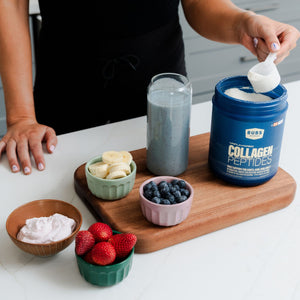
Smoothies: Toss it in the blender with your fruits and greens.
-
Baking: You can even add collagen to pancakes or muffins. It is heat-stable, meaning the protein won't be destroyed by the oven.
By making collagen a non-negotiable part of your morning or post-training ritual, you won't have to worry about finding an old, expired tub in the back of the pantry.
Living the BUBS Way: Purpose and Quality
We did not start BUBS Naturals just to sell supplements. We started it to honor the legacy of Glen "BUB" Doherty, a Navy SEAL who lived a life of adventure and service. That mission drives everything we do. We don't cut corners on our ingredients because the people who use our products—athletes, veterans, and weekend warriors—deserve the best.
When you buy a tub of our collagen, you are getting more than just protein. You are supporting a mission. We donate 10% of all our profits to veteran-focused charities. This ensures that BUB’s spirit of helping others continues. Every scoop you take is a reminder to live a life of purpose and to take care of the body that allows you to seek adventure.
Summary: Keeping Your Collagen at Its Peak
To get the most out of your collagen peptides, treat them with respect. Keep the container in a cool, dry place. Always use a dry scoop. Pay attention to the "best by" date, but also use your eyes and nose to judge the quality.
If your powder is clumpy, smells off, or has changed color, it is time to move on. Your health and your performance are worth the investment in a fresh, clean product. Stick to simple, high-quality ingredients, and you will see the results in your hair, skin, and joints.
Take Action for Your Health
Don't let your wellness routine gather dust. Check your pantry today. If your current collagen is looking a bit old, or if you are ready to start a new habit, choose a brand that prioritizes purity and purpose. Our BUBS Collagen Peptides are designed for those who demand more from their supplements and their lives.
FAQ
Does collagen powder expire if unopened?
Yes, unopened collagen powder typically expires within 18 to 24 months of the manufacture date. While the airtight factory seal protects it from moisture and oxygen, the chemical bonds of the protein will still slowly degrade over several years. Always check the date on the bottom of the container for the most accurate timeframe.
Can expired collagen peptides make you sick?
Expired collagen that has been kept dry is unlikely to make you sick, but it will be less effective. However, if the powder has been exposed to moisture, it can grow bacteria or mold. Consuming moldy or contaminated powder can lead to stomach pain, nausea, or other digestive issues. If it smells bad or looks spotted, discard it immediately.
Should I store my collagen in the refrigerator?
No, you should not store collagen powder in the refrigerator. The frequent temperature changes when you take the tub in and out of the fridge cause condensation to form inside. This moisture leads to clumping and can encourage mold growth. A cool, dark, and dry pantry is the ideal location for storage.
How can I tell if my collagen has lost its potency?
The most common sign of lost potency is a change in how the powder dissolves. If a once-smooth powder suddenly becomes gritty or leaves clumps in your drink, the protein structure has likely changed. Additionally, if you stop seeing the usual benefits for your skin or joints after switching to an older tub, the amino acids may have degraded.